
 Talk to usTalk to us
Head of Marketing · Marketing
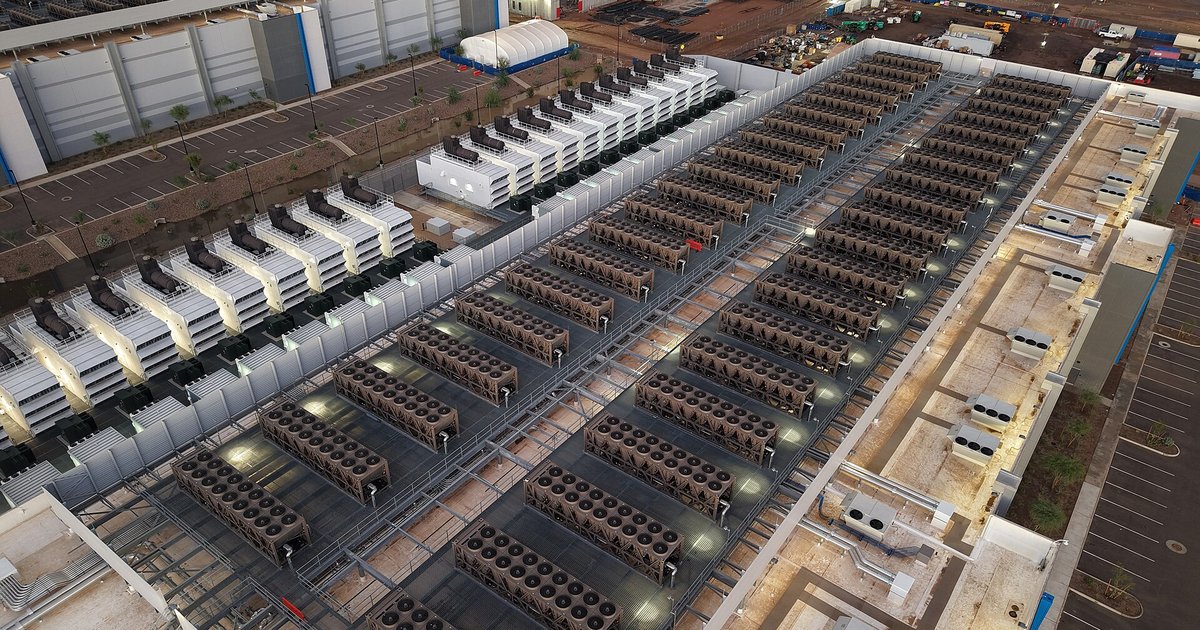
Cloudera's index puts 82 percent with visibility into where data resides and 58 percent with it fully governed — which is the gap most AI pilots fall into.
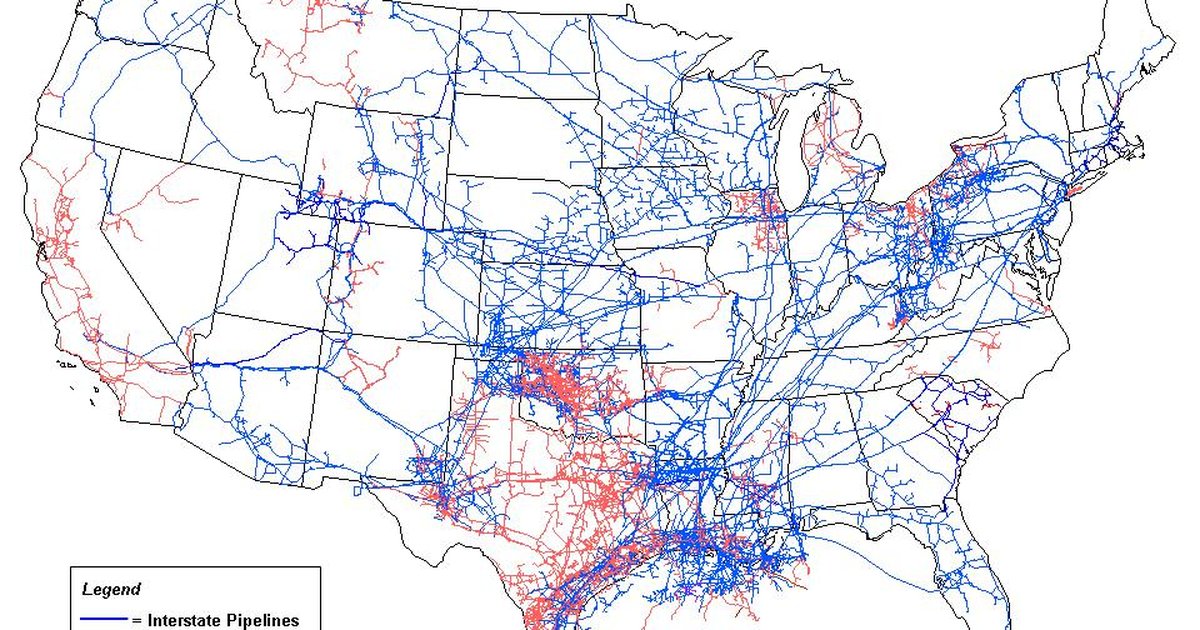
ELES, Plinovodi and Yokogawa will study sector coupling across electricity, gas and hydrogen, with a demonstration plant interfacing both transmission networks.
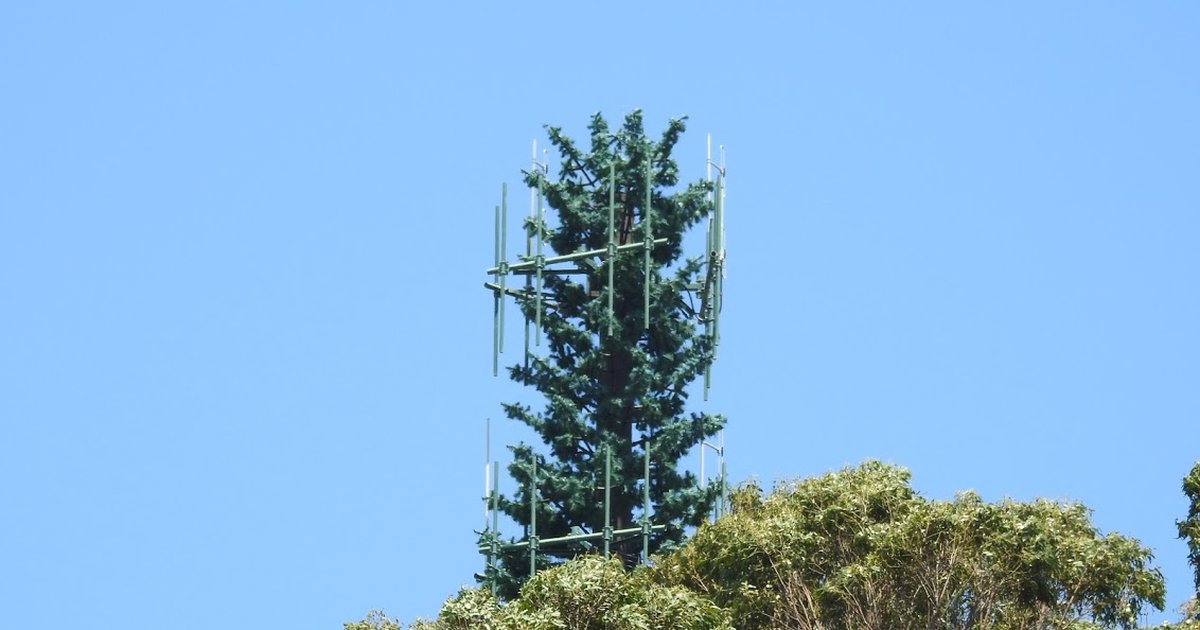
Onomondo has released an SGP.32 eIM that runs independently of its own connectivity, on the argument that the tool meant to end vendor lock-in should not become the new lock-in point.
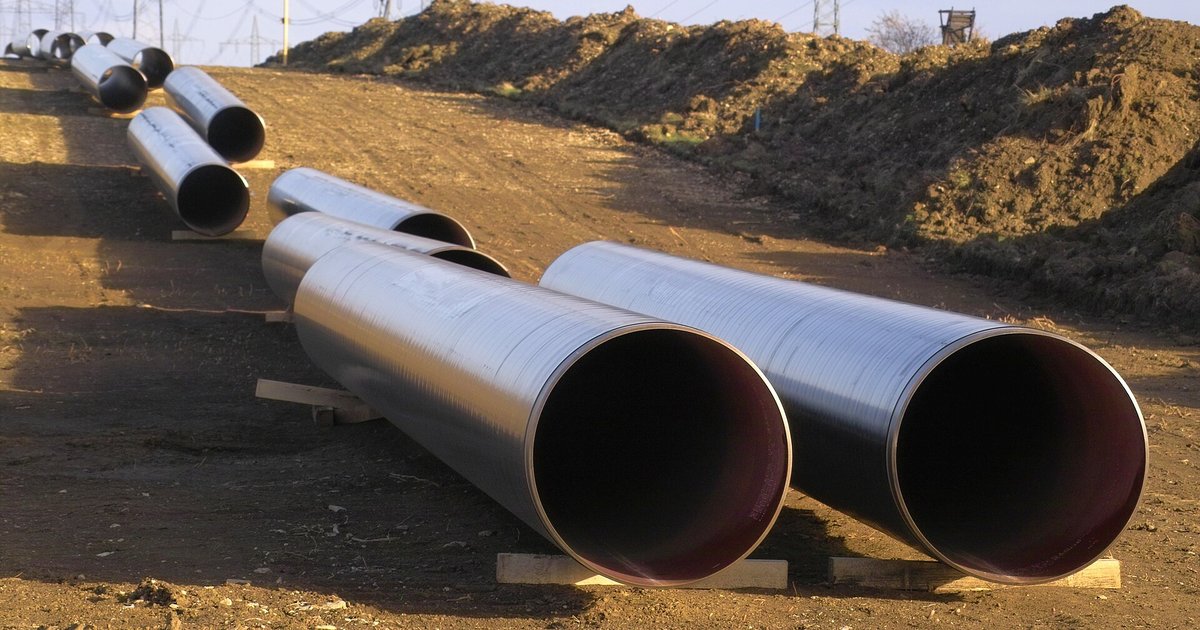
Reclamation's award for the final major segment of the Navajo-Gallup project bundles telemetry, fibre and cathodic protection into the civil pipeline scope.
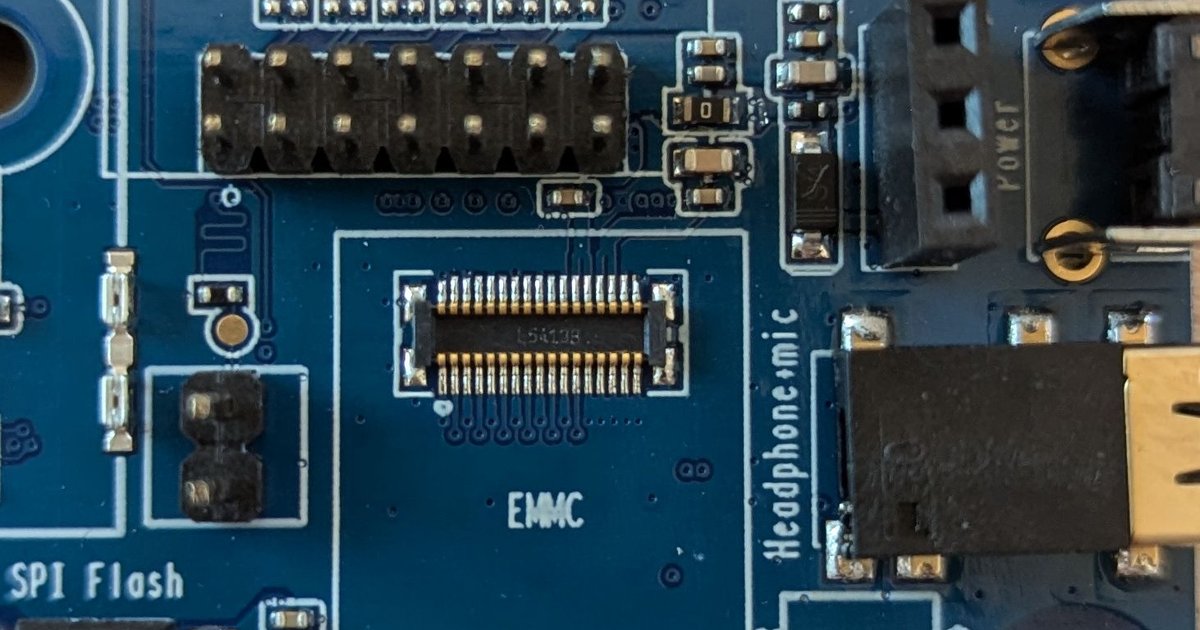
USI's AI Smart Camera combines edge inference with PoE, HDMI and MicroSD, and pairs the hardware with a no-code training platform aimed at people who are not ML engineers.

Daimler's Mount Holly plant swapped a four-eye manual check of a steering-column joint for an AI borescope system, and the reason given was workforce turnover rather than defect rate.

A friendly takeover offer for Robot S.A. of Palma de Mallorca pushes HMS from protocol gateways up into room-level control, alongside its Intesis brand.
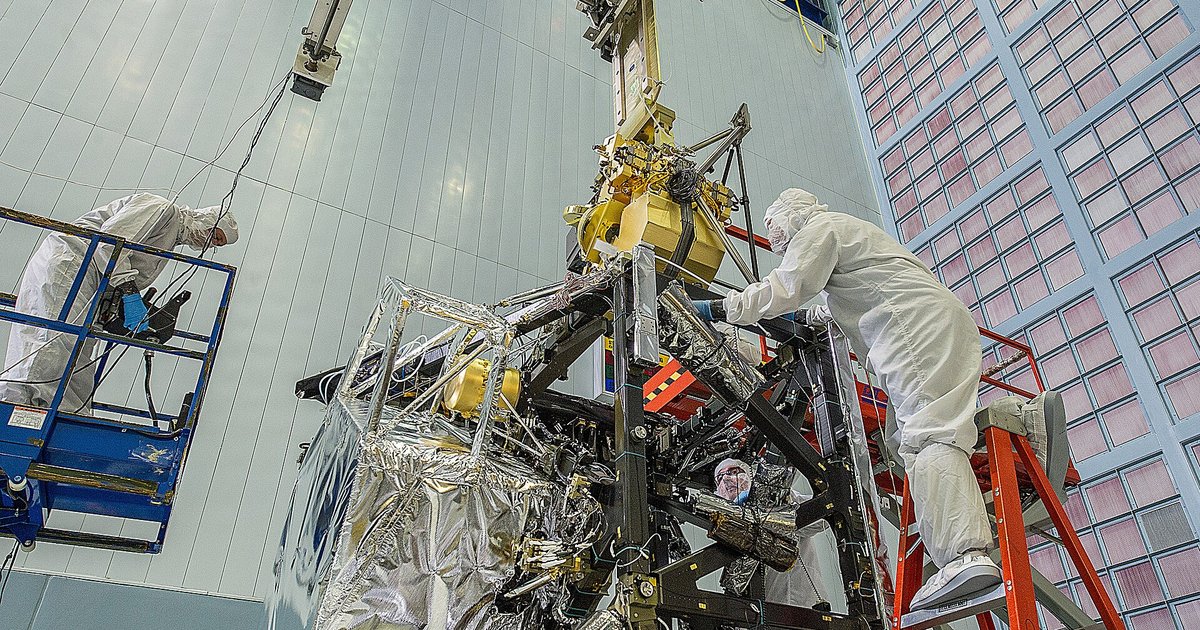
The TC03A thermal camera and the ii01 acoustic imager for Android target leak detection and anomaly spotting on routine rounds rather than as a specialist survey.
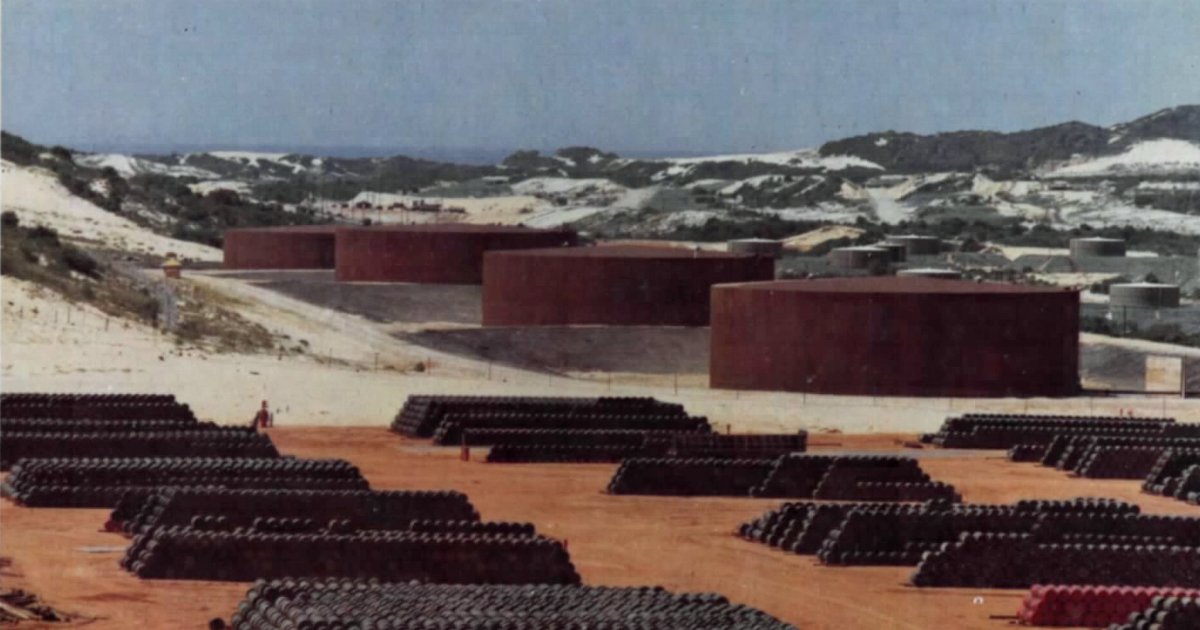
The Rosemount 3408 combines FMCW radar electronics with WirelessHART and long-life power modules, giving non-contacting level measurement with no signal or power wiring to the vessel.

Black Kite's numbers show patching improving slowly, credential exposure not moving at all, and internet-exposed remote-access ports essentially unchanged since 2023.
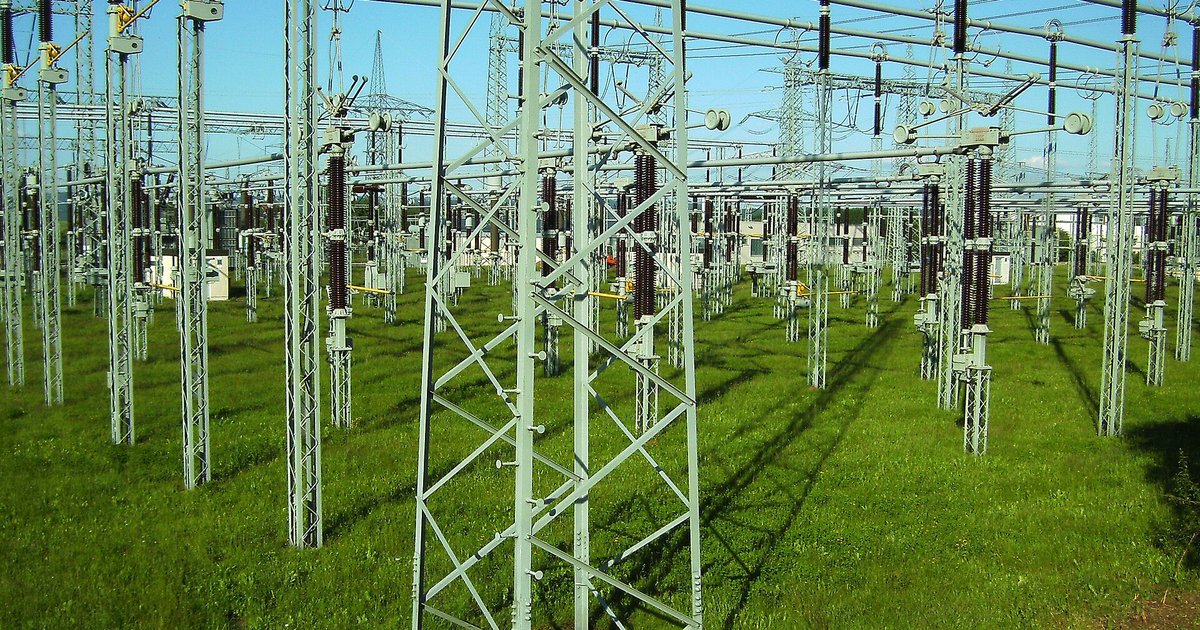
ICSA-26-258-05 aggregates five 2024 identifiers and nine new ones into a single advisory, top score 9.8, with V2.70 as the remedy.
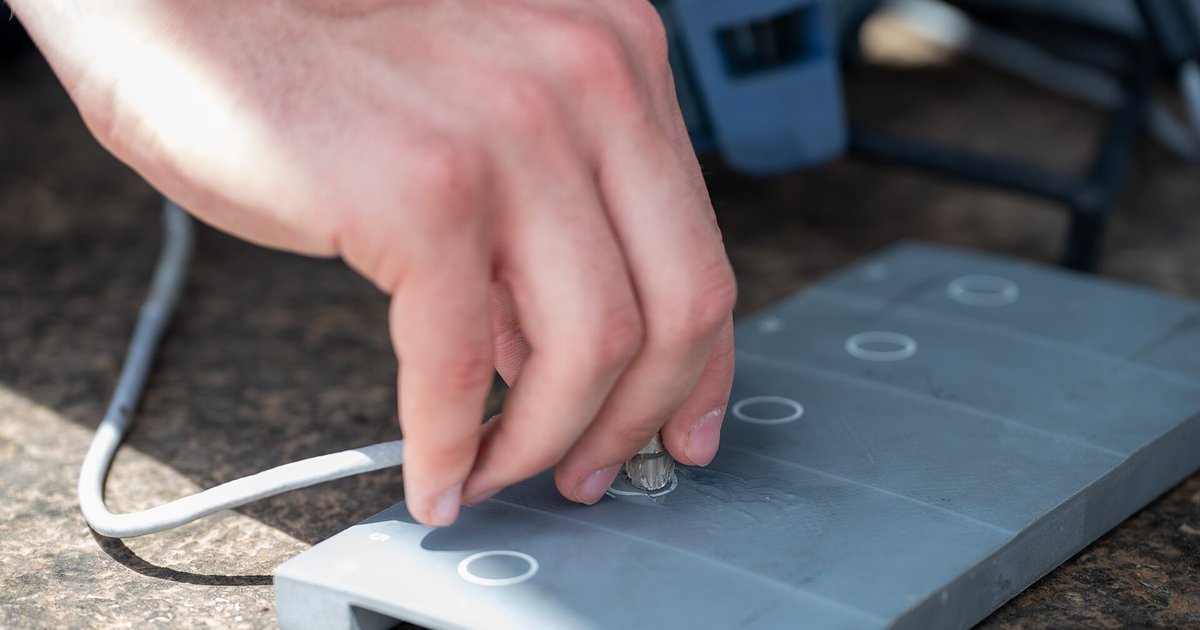
The VersaXRM 5 Insight does multi-scale non-destructive 3D imaging without moving the sample between machines, with automated AI-enabled reconstruction.
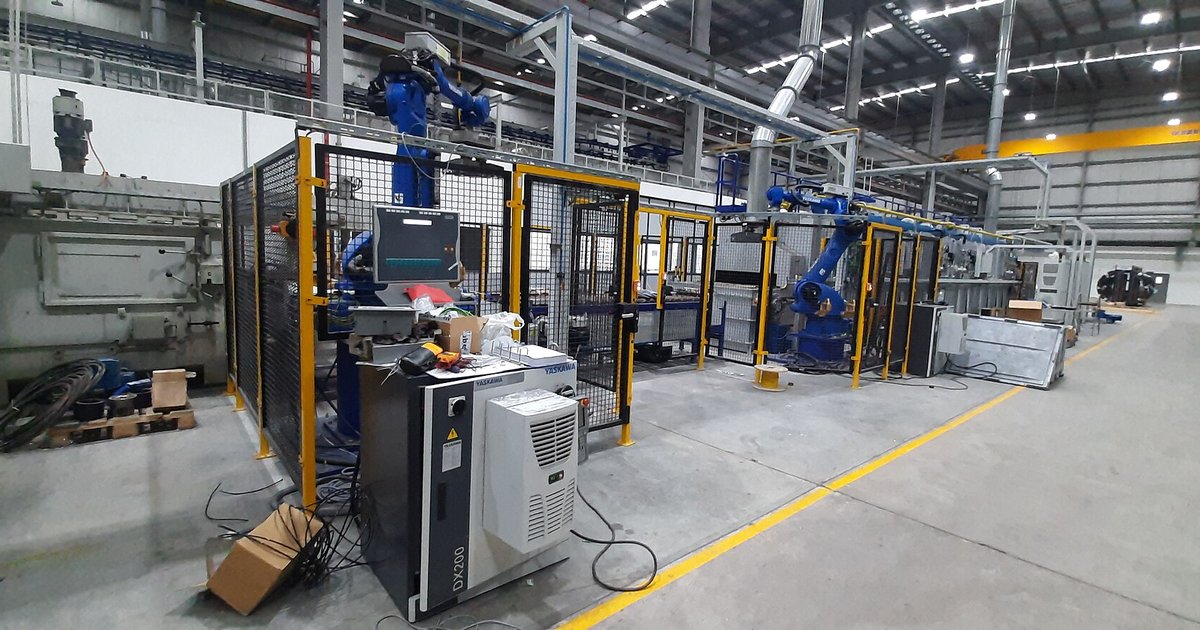
A clarification version of the specification has passed TÜV evaluation, a layer tester and lab documents are out, and PA Profile 4.10 enters review in 2026 for functionally safe process field devices.

Multiphysics v2027 adds roughly 5,000 system-level components, an Electric Motor Module, and an MCP server that makes physics models callable by AI agents.

Aganova's redesigned Nautilus combines leak detection with condition analysis in a single in-line deployment, drawing on more than 4,500 kilometres of prior inspections.
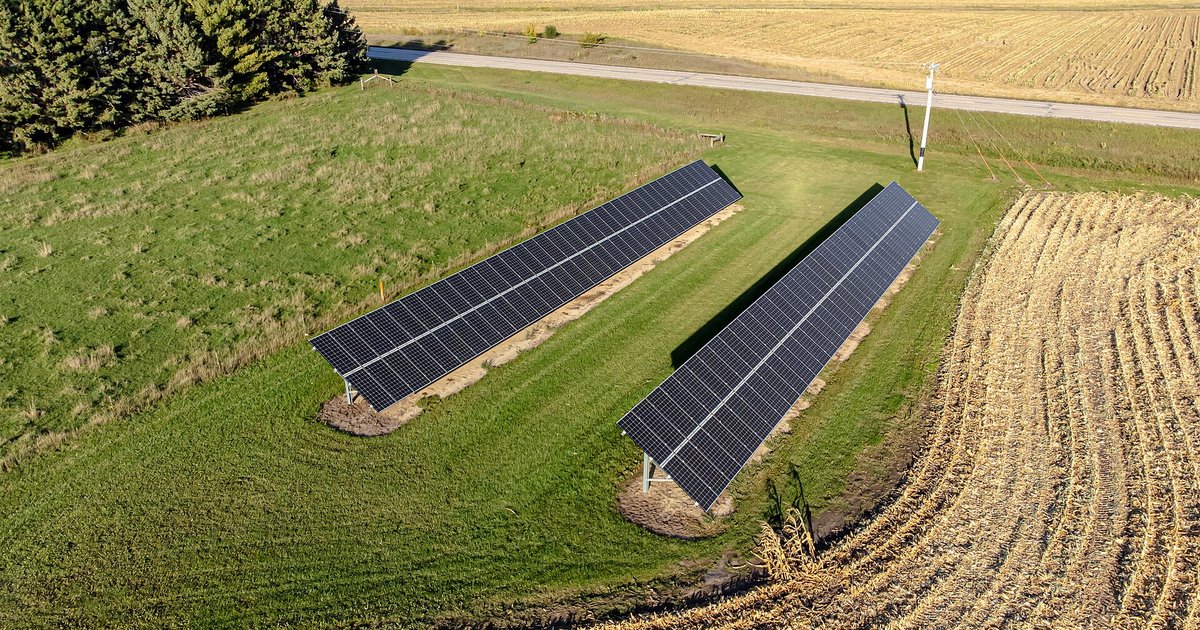
Onuba in southern Spain is the first phase of a 2 GW electrolysis target, and its CEO says high gas prices have made green hydrogen competitive with grey.
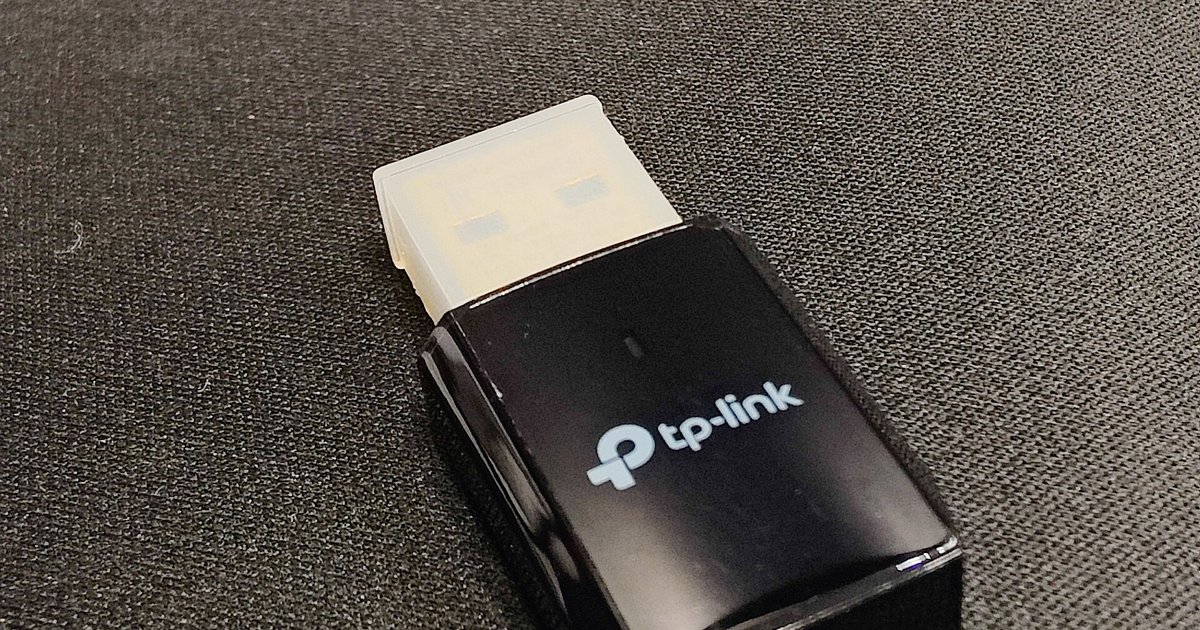
Morse Micro's USB adapters put 802.11ah on any PC or router, in AP or station mode, with the hardware design and manufacturing files published.
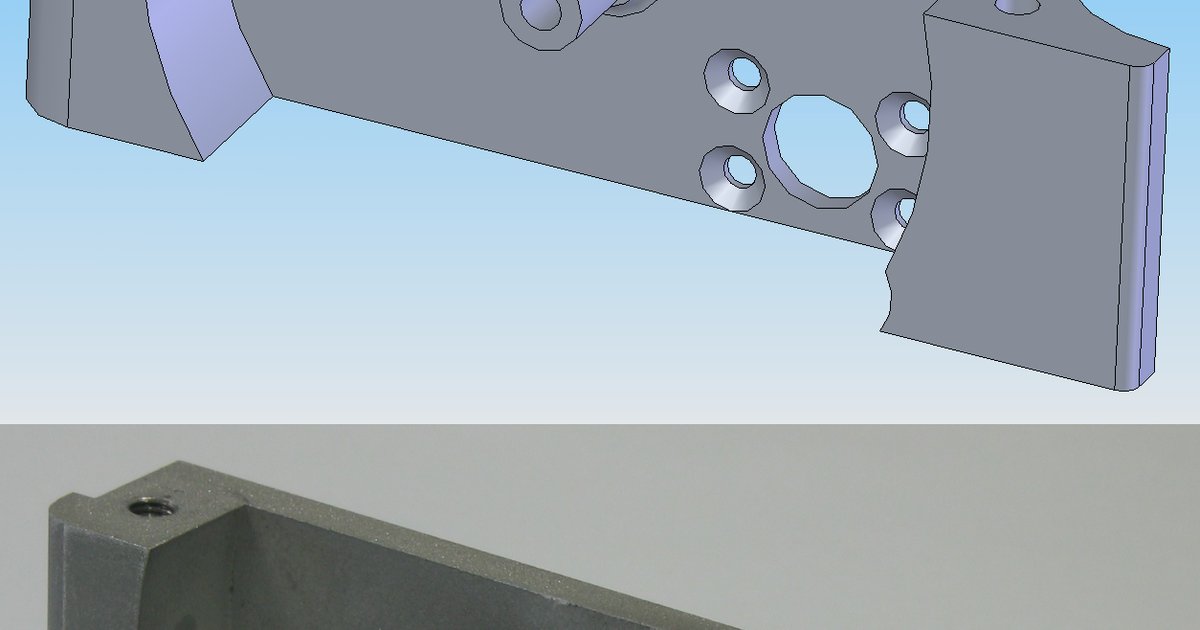
TOP-electronics and Summit Electronics built Atlas on ADI Trinamic motion technology and STM32 microcontrollers, in one-axis and three-axis versions for NEMA 17 and NEMA 23 motors.
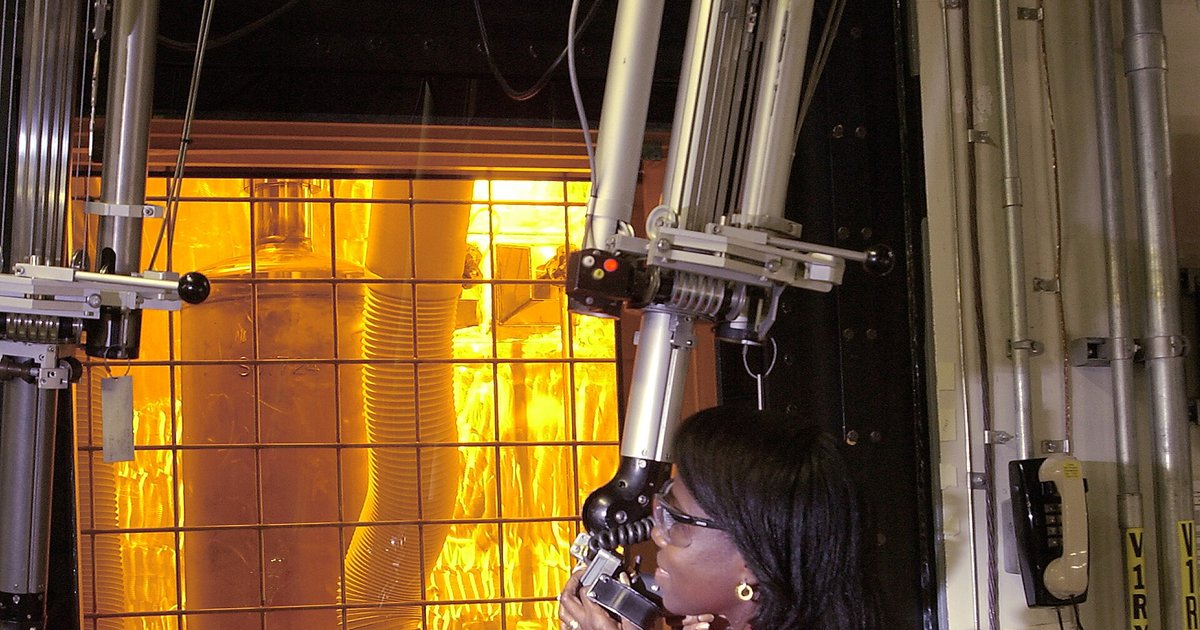
Synaptics has brought its capacitive tactile sensing module into NVIDIA's Isaac Sim and Holoscan, so grip policies can be trained in simulation before the gripper exists.
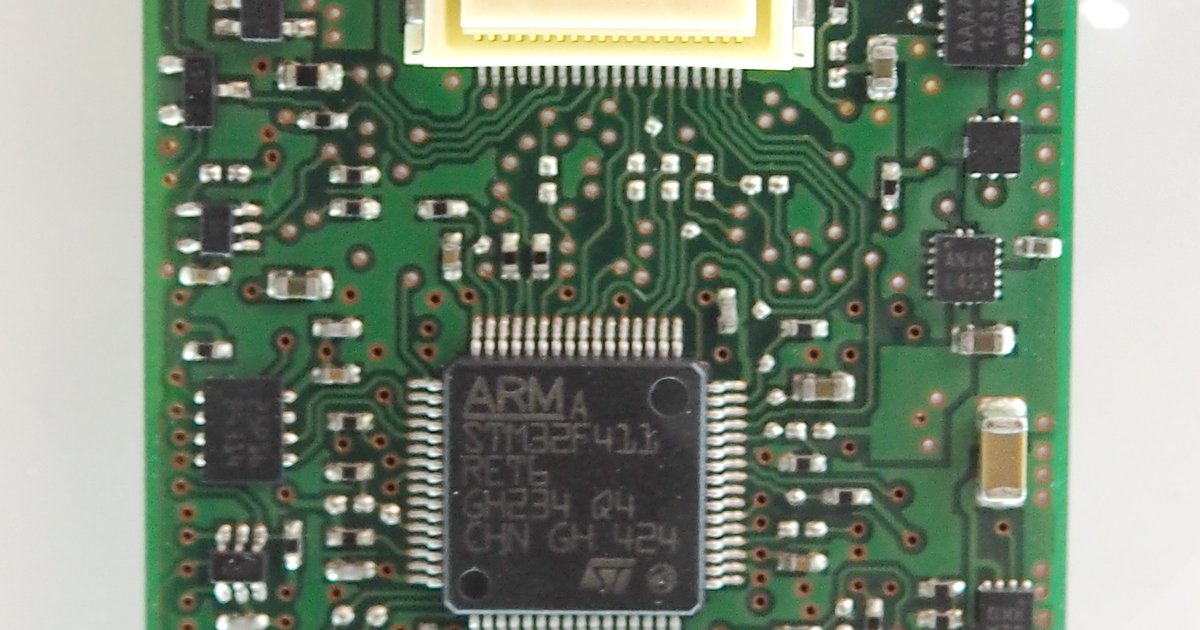
The UCM-iMX952 pairs Cortex-A55 application cores with M7 and M33 real-time cores in 28 by 40 by 5 mm, across commercial, extended and industrial temperature grades.
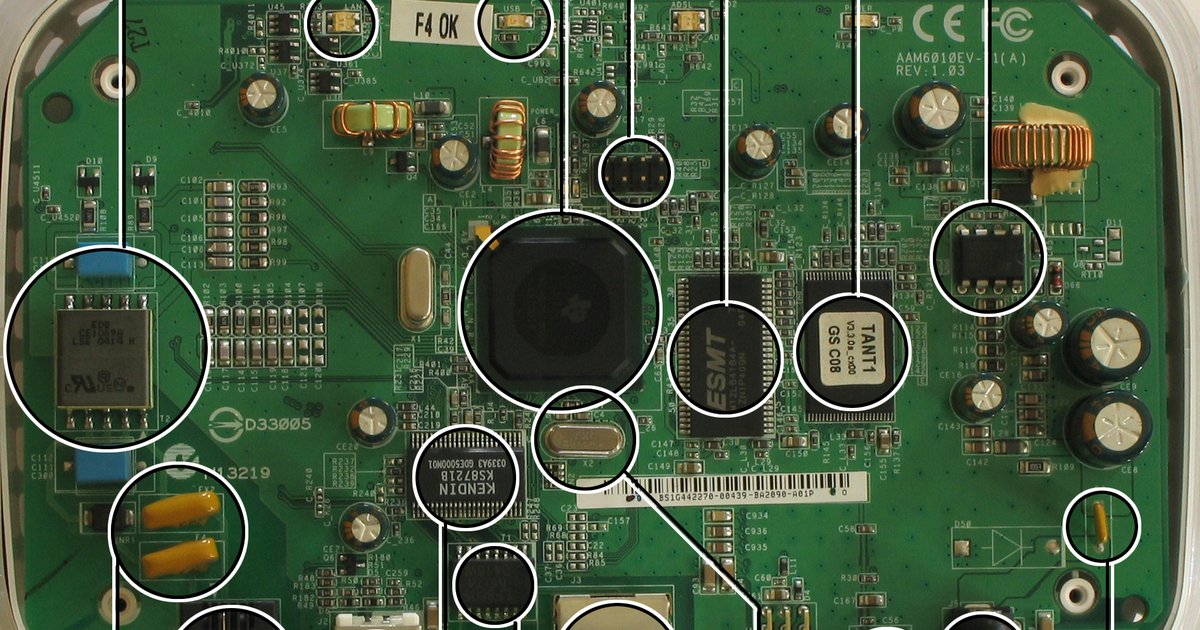
Nozomi's analysis of KATARU finds Mirai-style DDoS bolted to four Linux privilege escalation paths, encrypted C2 — and a pinned public key lifted straight from an RFC test vector.
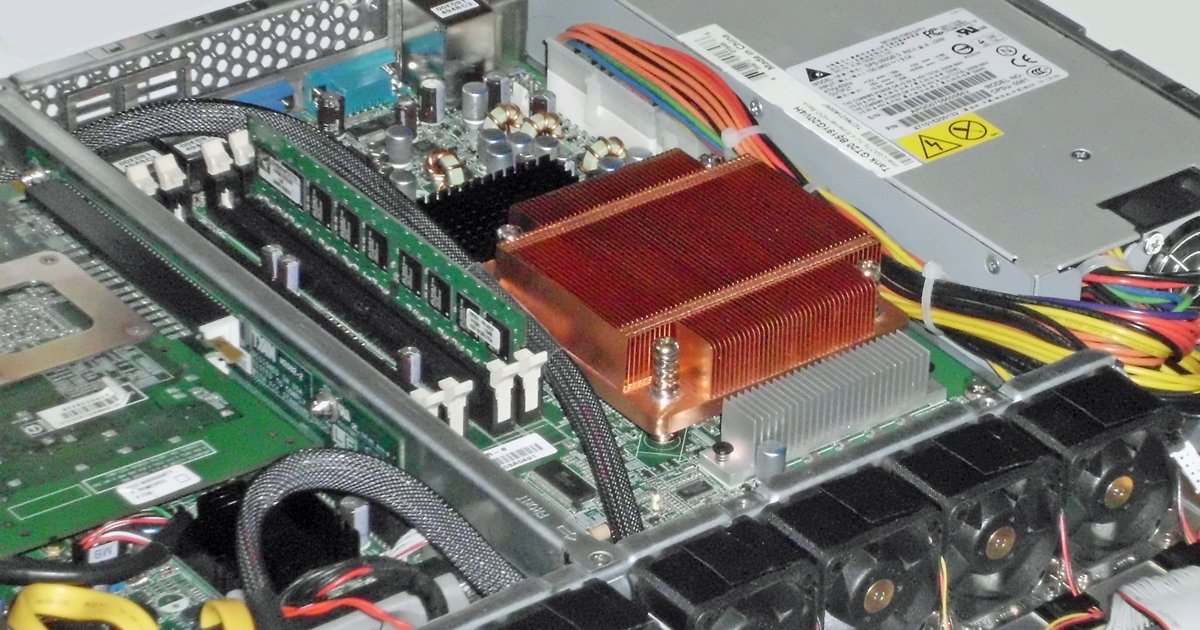
ICSA-26-260-06 covers a kernel crypto flaw that lets a local user or a compromised container escalate to root on the Gateway bE100. The same CVE already appears in IoT malware.

From 11 September 2026 manufacturers must report actively exploited vulnerabilities and severe incidents, and there is now a working channel to do it through.
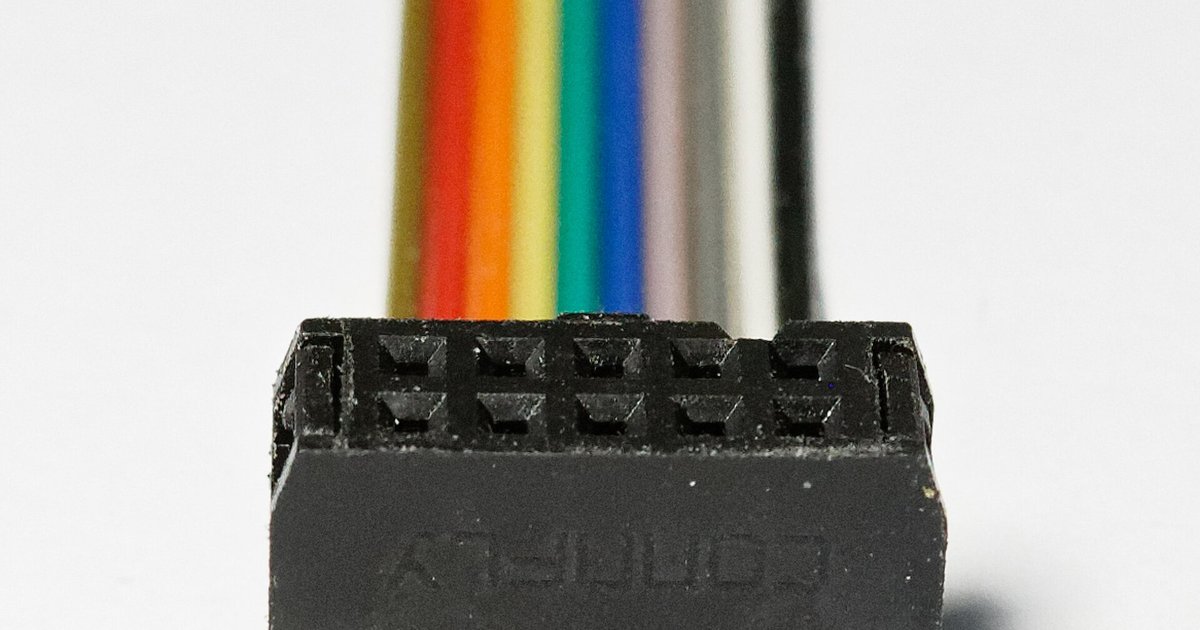
The IEC 61076-3-124 connector is roughly 75 percent smaller than RJ45 and now carries formal references across EtherNet/IP, PROFINET, CC-Link IE TSN, FL-net and GigE Vision.

Halton Region has appointed GHD for clarifier, digester and sludge pump work at the Skyway Wastewater Treatment Plant, with SCADA integration and commissioning listed as deliverables rather than assumptions.

Coperion K-Tron's K-Vision-III aggregates up to 24 KCM feeder control modules, speaks Modbus TCP, EtherNet/IP and Profinet, and backs up controller parameters.

The Rosemount 105P combines transmitters, sensors, cables, flow cells and flow control into a configurable panel for pH, ORP, dissolved oxygen and chlorine, built and tested in the factory.

Commercial operations have begun at 400,000 tonnes a year, injecting into a depleted reservoir 250 km offshore and 1,800 m below the seafloor, with an ambition to reach 4-8 million tonnes.
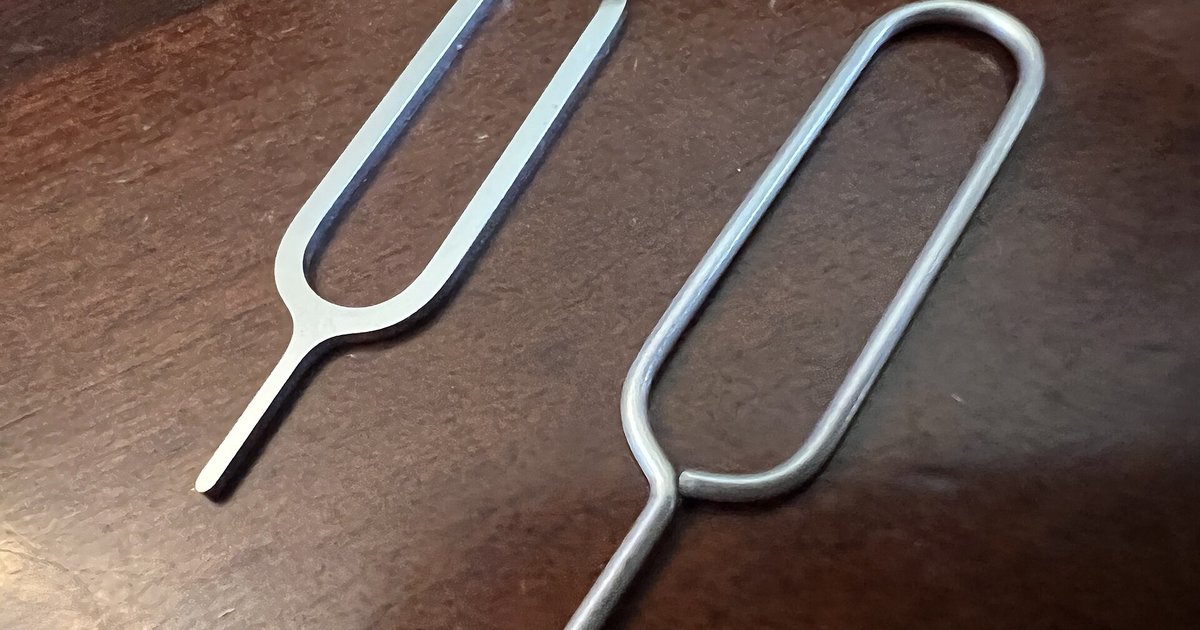
Granite's SIM360 preloads carrier-direct profiles from all three US Tier 1 networks on a single physical SIM, with remote switching and automated failover — and no roaming in the middle.
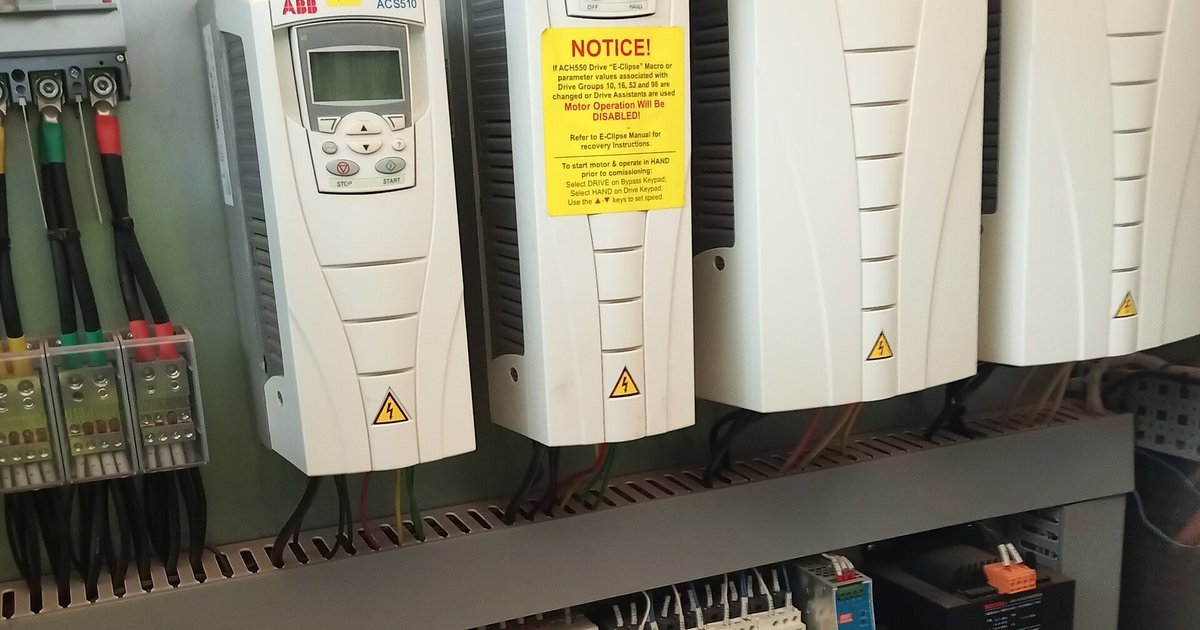
Update A to ICSA-26-211-07 adds eight part numbers to a CC-Link IE TSN message-integrity flaw that affects every firmware version and will not be patched.
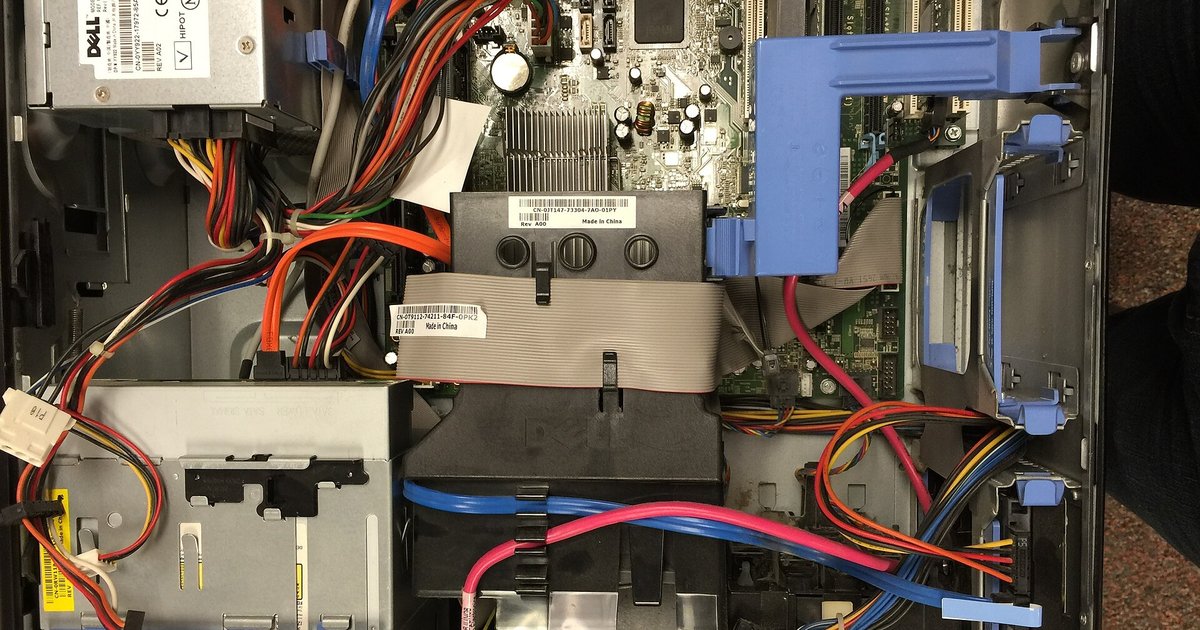
Mini-ITX, 3.5-inch SBC, COM-HPC, NUC, iBOX and an industrial IoT controller, all on Core Ultra Series 3 with up to 180 platform TOPS, In-Band ECC, and both TCC and TSN.

The nRF54LC10A pairs a 128 MHz Cortex-M33 with a 128 MHz RISC-V coprocessor, 1 MB of non-volatile memory and roughly 30 nanoamps in hibernation, in packages down to 1.93 by 2.29 mm.
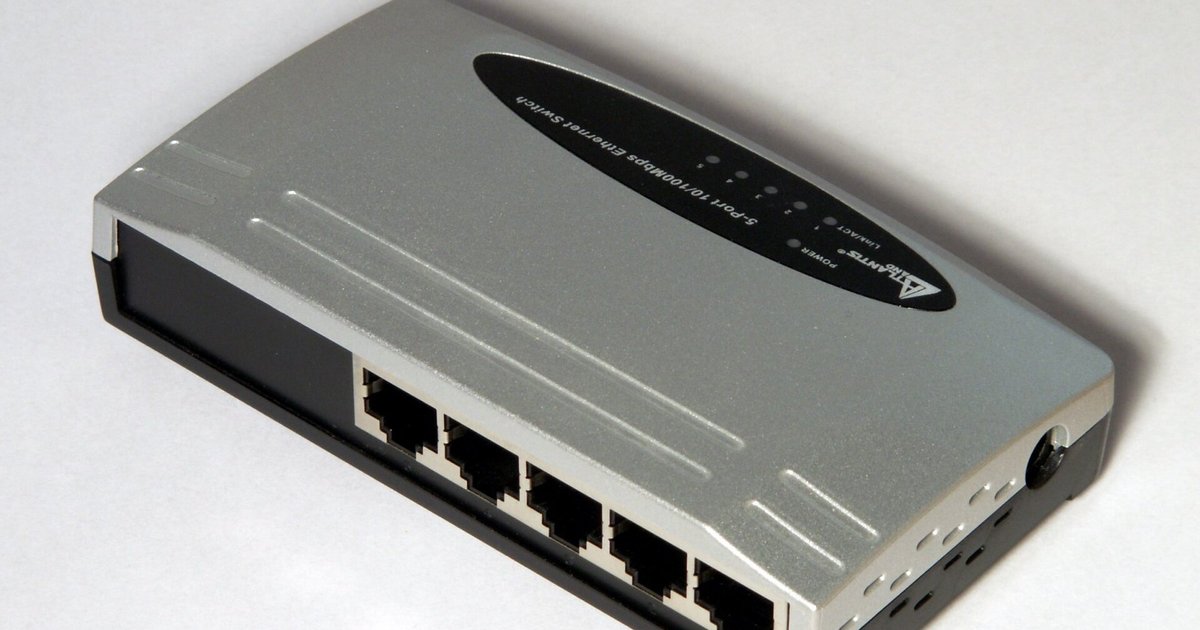
MPSA-252620 describes an out-of-bounds write in the TN-4500B web login handler: no authentication needed, and the result is a dead management plane on a switch inside a train.
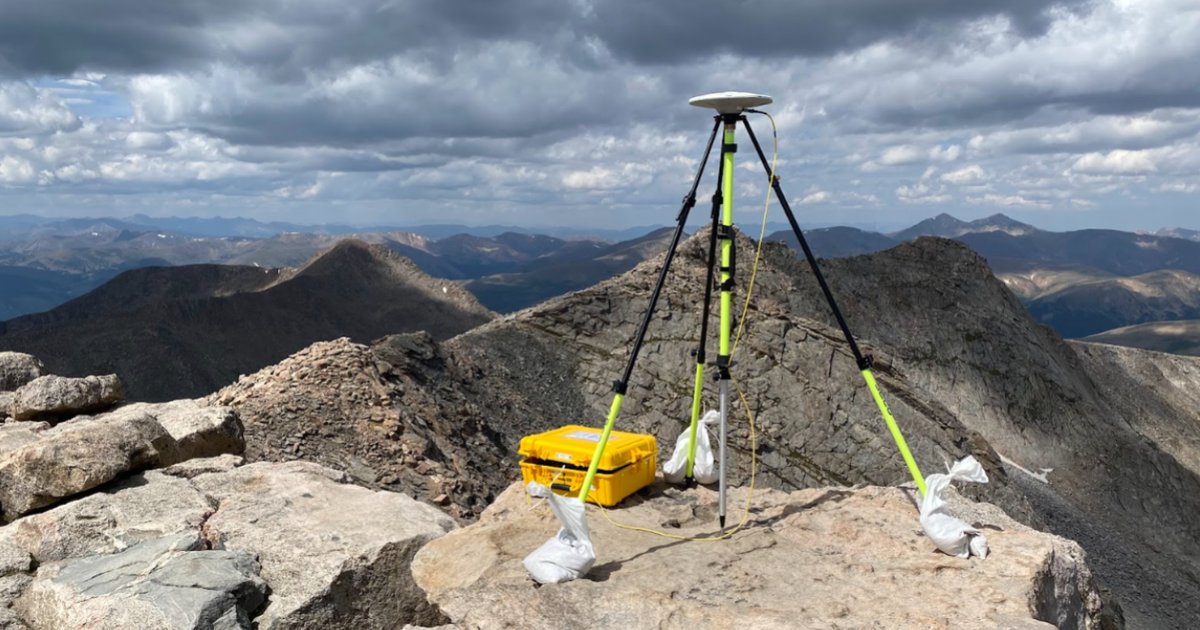
The QLM290P packages quad-band GNSS/RTK, a global LTE module and a LoRa radio on one pre-validated board, configurable as base station or rover over the embedded cellular link.
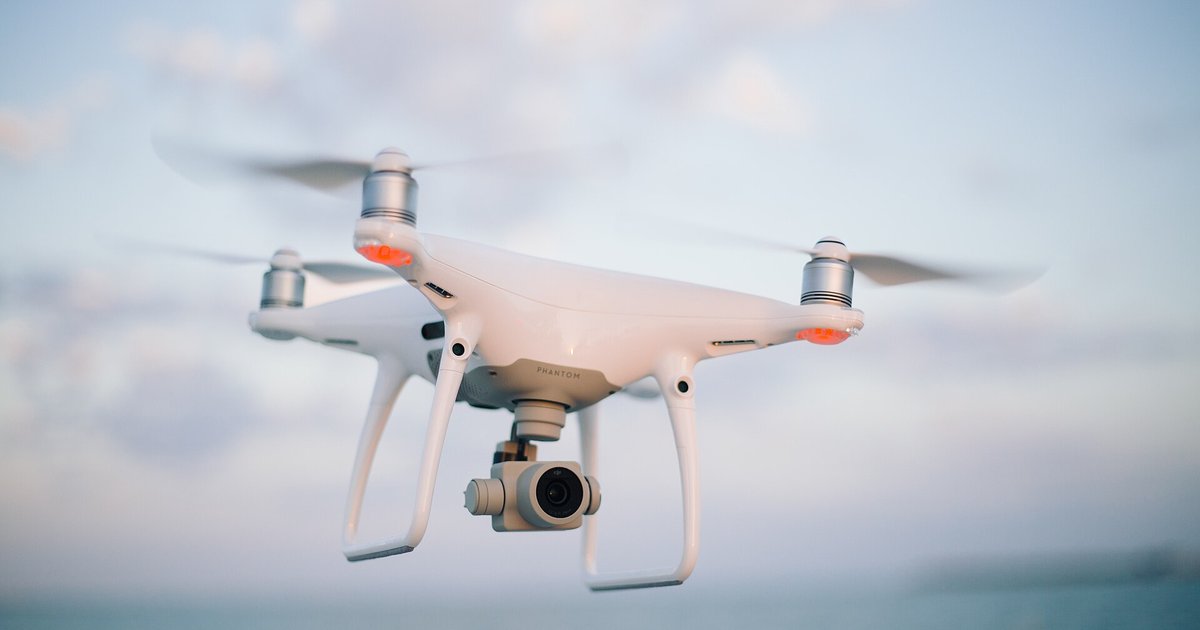
An ISAC trial at Vuosaari Harbour detected and tracked drones using reflections picked up by coordinated Massive MIMO base stations — no radio or emission required from the aircraft.
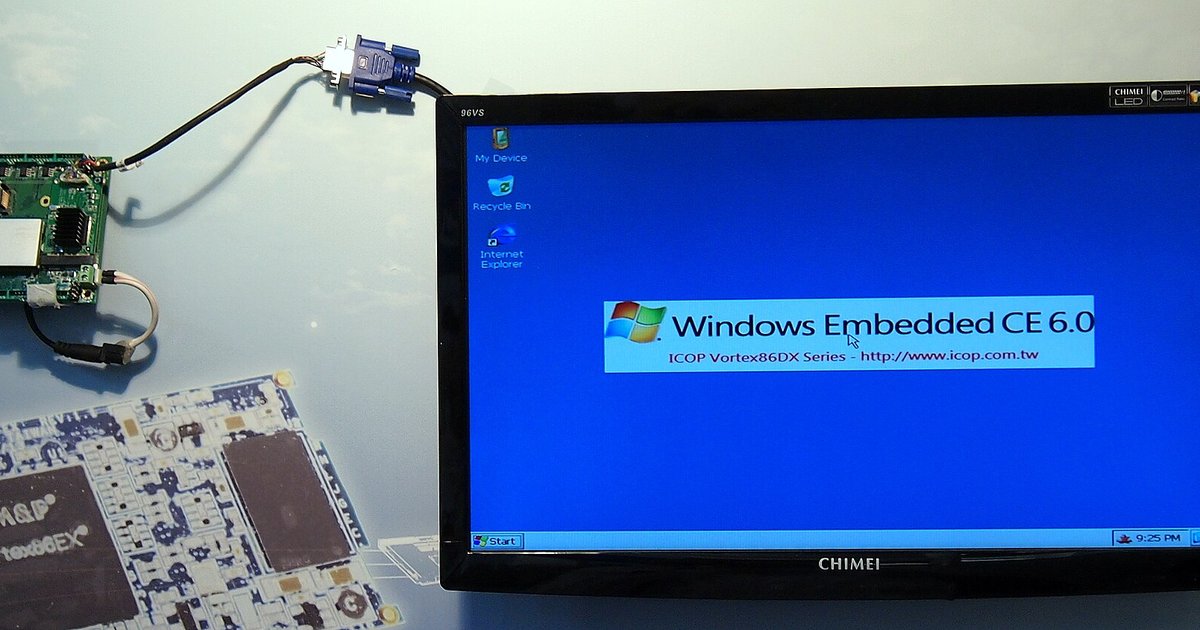
Putting an EtherCAT master on the front panel of a 2,070 TFLOPS inference box collapses the usual two-controller split where a Jetson thinks and a separate PLC moves.
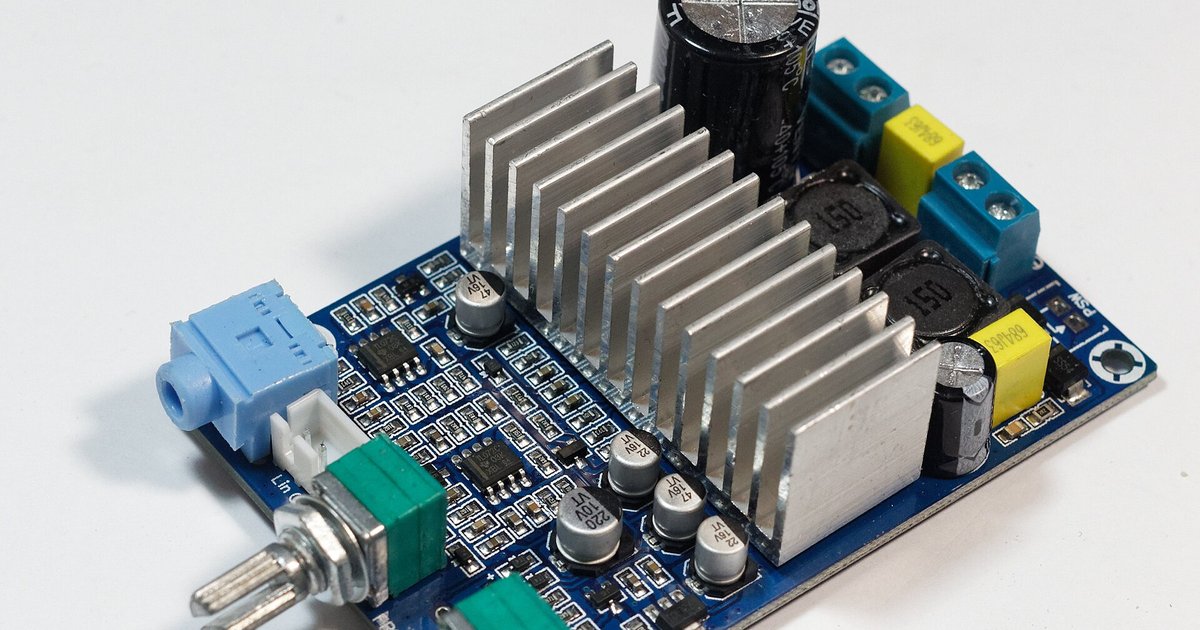
Radxa's rCore-Q8550 puts a Dragonwing QCS8550, up to 16 GB of LPDDR5X and six four-lane camera inputs on a coin-sized 516-ball BGA.
Compass adds workflows, approvals and compliance evidence on top of the asset inventory that already feeds Vantage — an attempt to govern OT change without forcing OT data into an IT-shaped tool.

ABB's AquaMaster+ turns an installed base of battery-powered mag meters into a queryable network model, with virtual flowmeters standing in for districts that have no physical instrument.
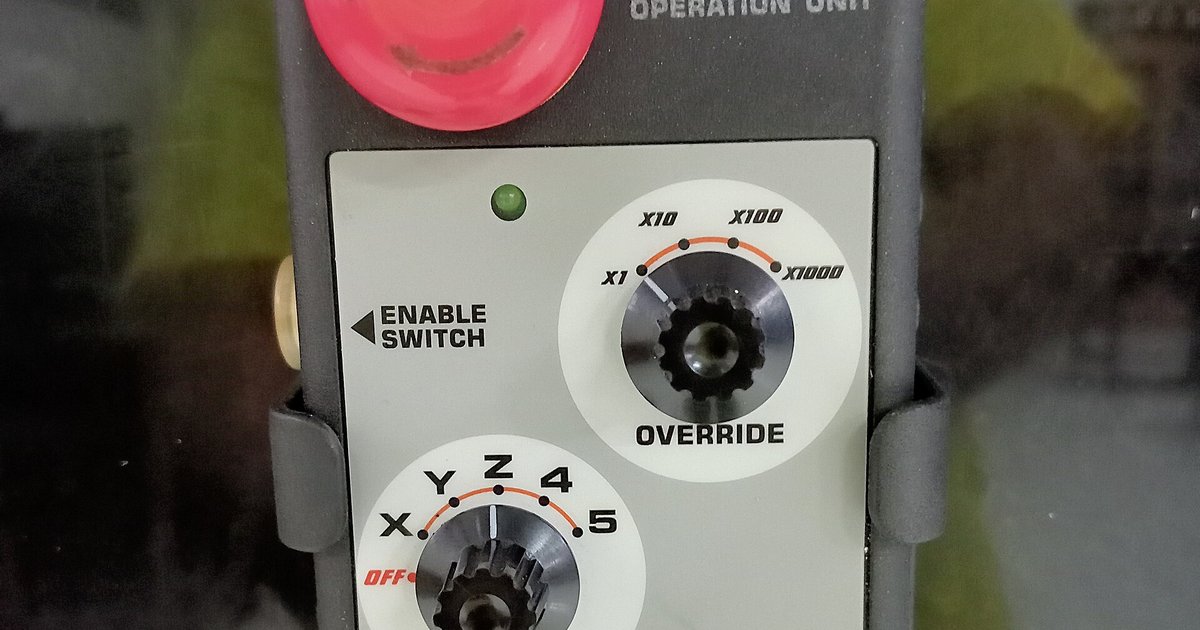
The Meet at the Machine initiative ships a digital copy of a machine tool the day after the purchase order, so programming and validation happen while the machine is still being built.

Technip Energies, Honeywell and Siemens Energy have standardised a modular, electrified LNG train and claim up to two years off a conventional schedule by repeating it rather than engineering it.
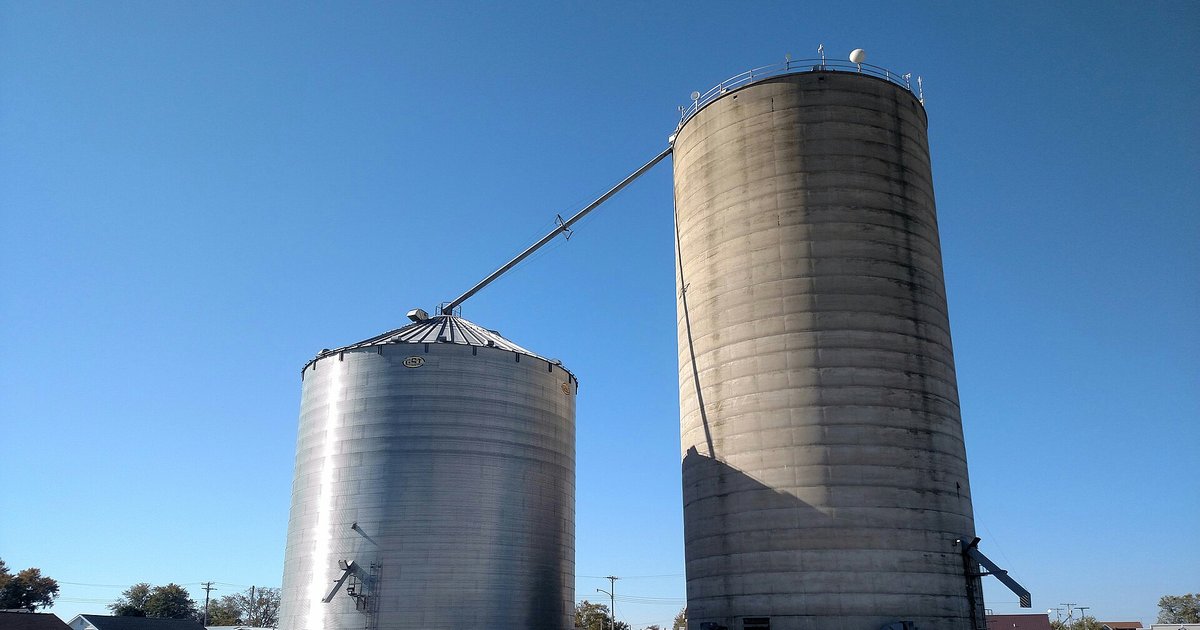
The PFM 20 Ex measures particulate down to 7.5 mg/m3 in an ATEX Zone 22 housing, which is the classification that covers the places combustible dust actually accumulates.
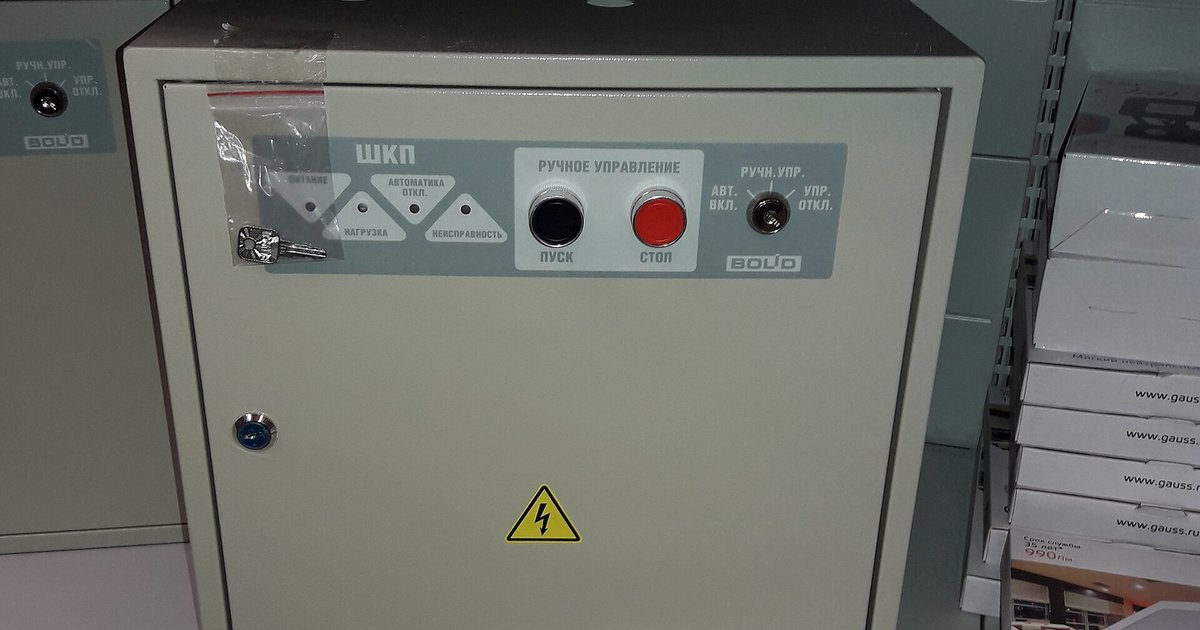
Four part numbers have fixed firmware. Two communication modules — including the M580 Global Data module — are listed as affected in all versions with remediation still pending.
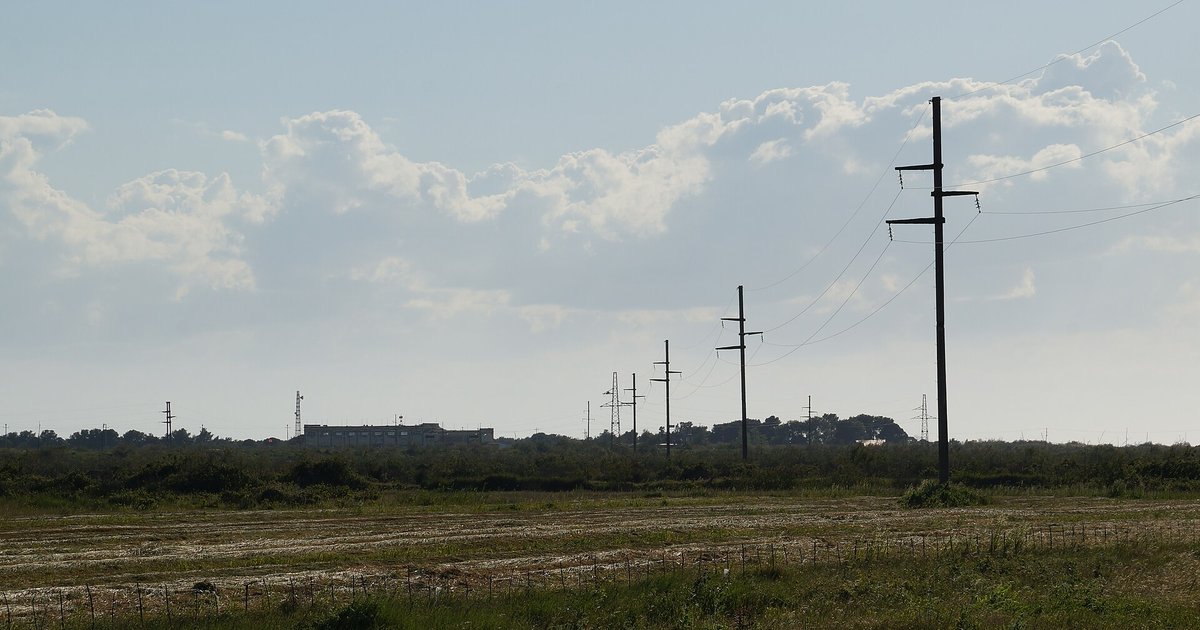
ICSA-26-258-03 pairs a 9.8-rated missing-authorisation flaw in mySCADA myPRO Manager with an open HTTP endpoint that pushes arbitrary messages out through the site's GSM modem.
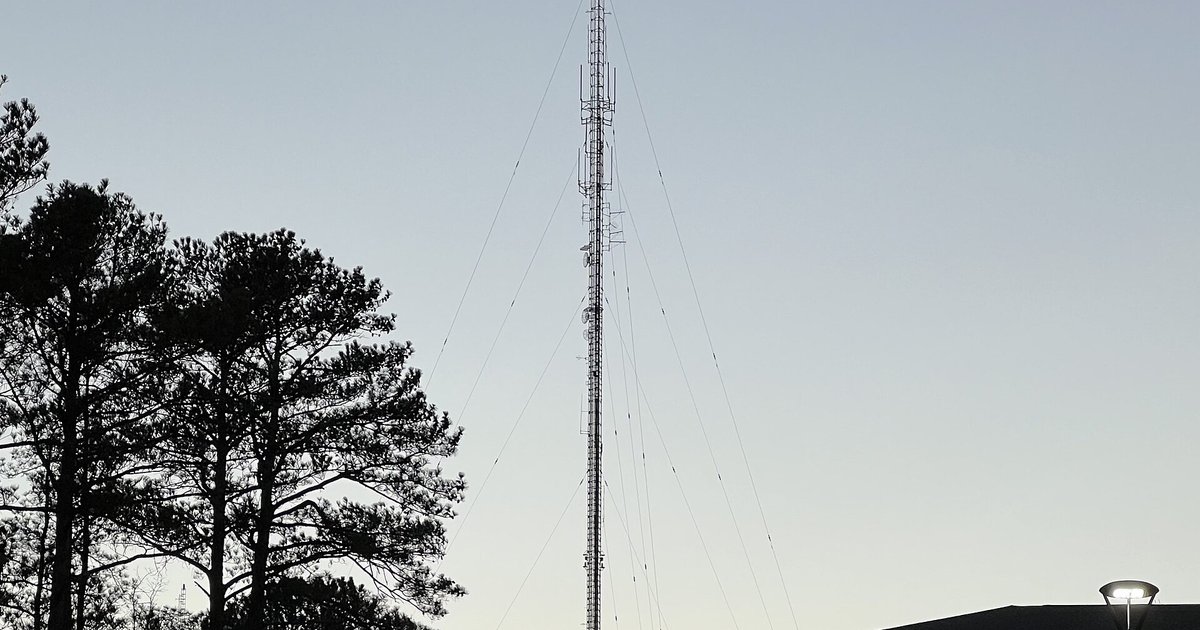
Ahead of InnoTrans 2026, Ericsson set out an FRMCS migration path with specific trackside radios, baseband and transport products, plus validation results from five railway lines.
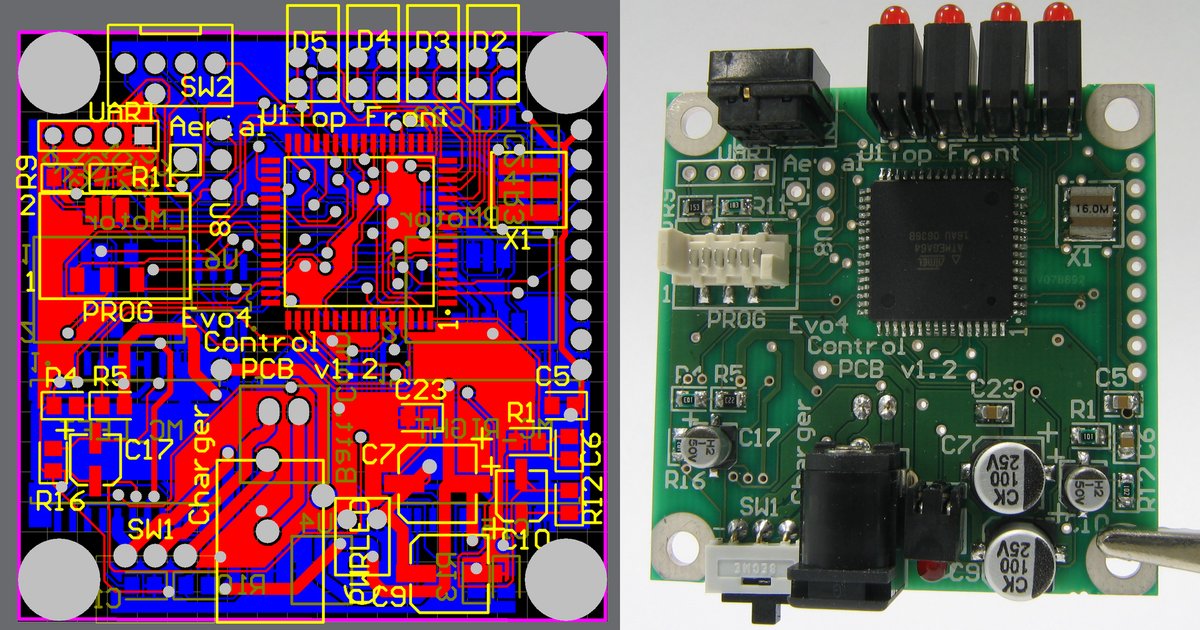
IoT Analytics data shows first-half growth of 15 percent, Q2 accelerating to 20.9 percent, average selling prices rising for the first time in five quarters — and component lead times lengthening.
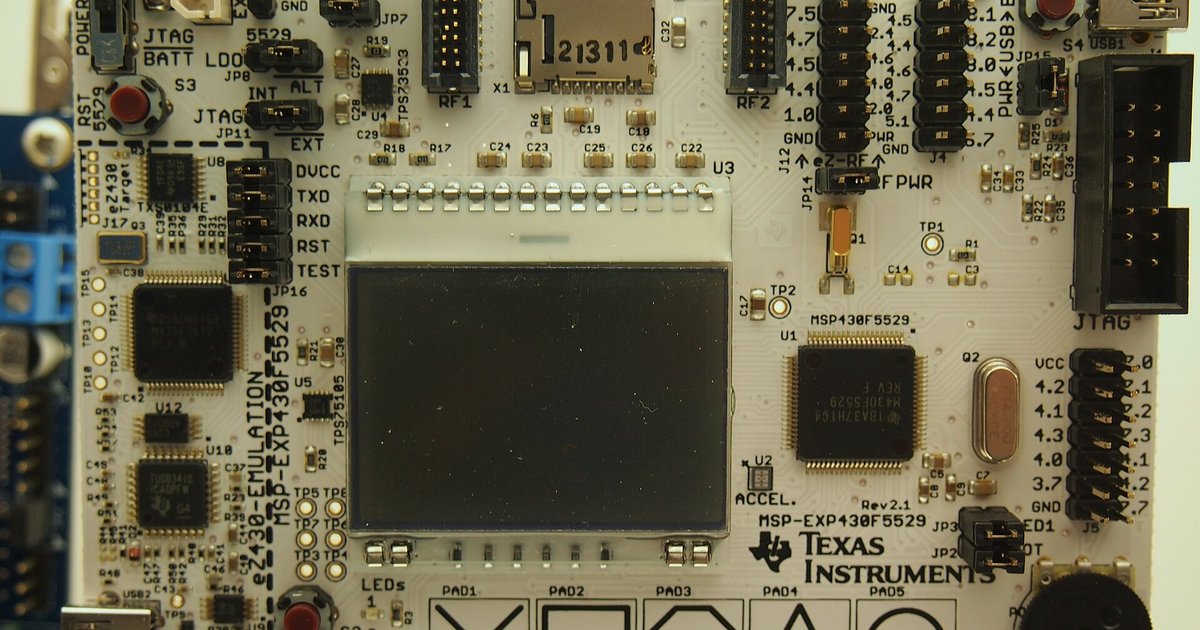
Teltonika's Oxa is built to be designed into an OEM's own product rather than bolted on beside it: Cortex-A7, six industrial protocols, -40 to 75 degrees, under five watts.
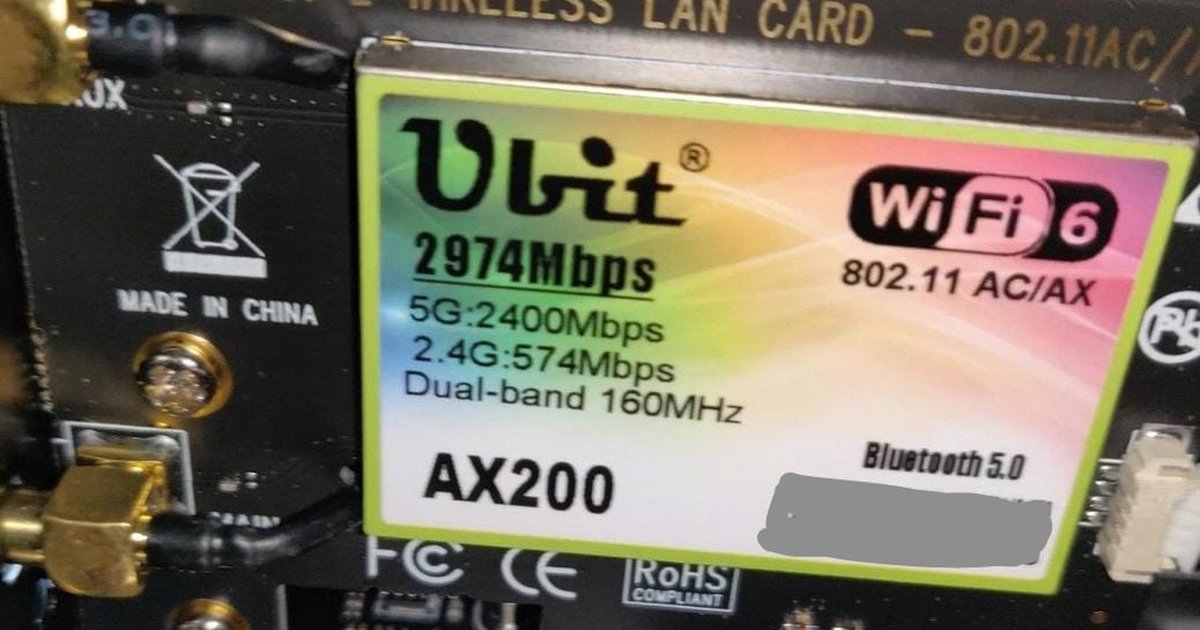
The Dutch edge-inference company launched two standard PCIe form factors and named Advantech, Axiomtek and Seco alongside Dell and HPE — which is what puts the silicon inside cabinets rather than racks.
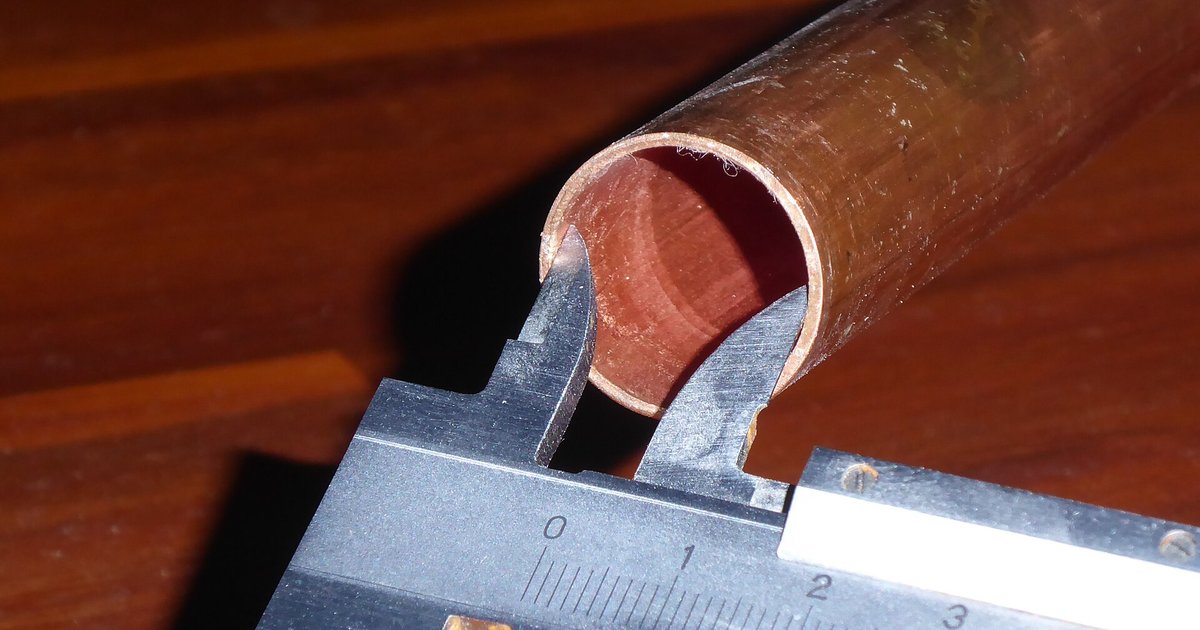
A redesigned kinematic mount takes maximum working length to 300 mm from the A-axis centre, and existing users can keep their part programmes and TP20 modules.
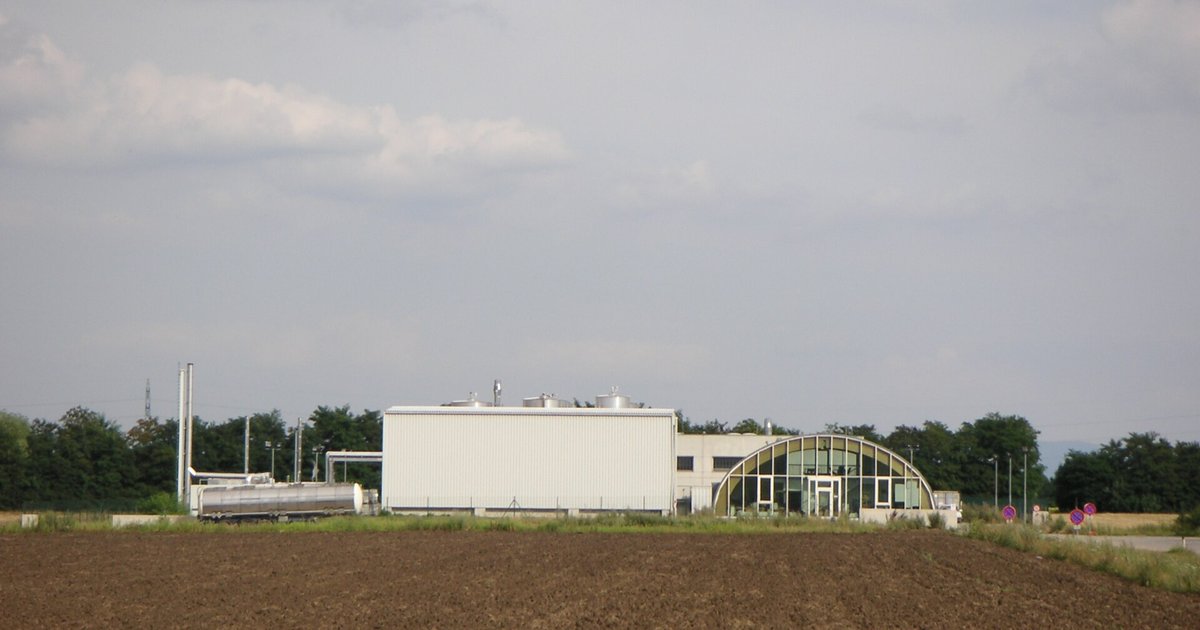
Technip Energies has selected DeltaV as the integrated control and safety system for SkyNRG's 100,000 tonne-a-year sustainable aviation fuel plant at Delfzijl, due to start up in 2028.

The phrase survives in specifications because everyone believes they understand it. Three people around a table can mean three different things by it, and the system gets built to the vaguest one.

Service agreements written for mechanical equipment do not survive contact with software. Here is what changes, and how both sides usually get it wrong before they get it right.
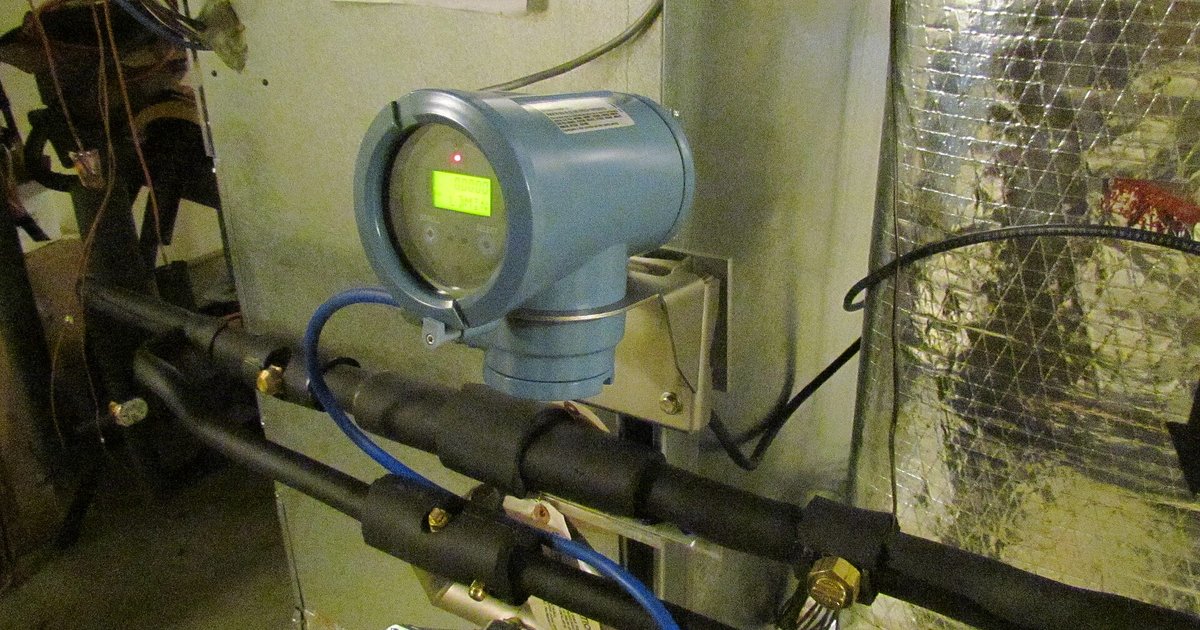
Two instruments measuring the same thing give different numbers, and the argument that follows is usually about which is right. It is nearly always the wrong question.
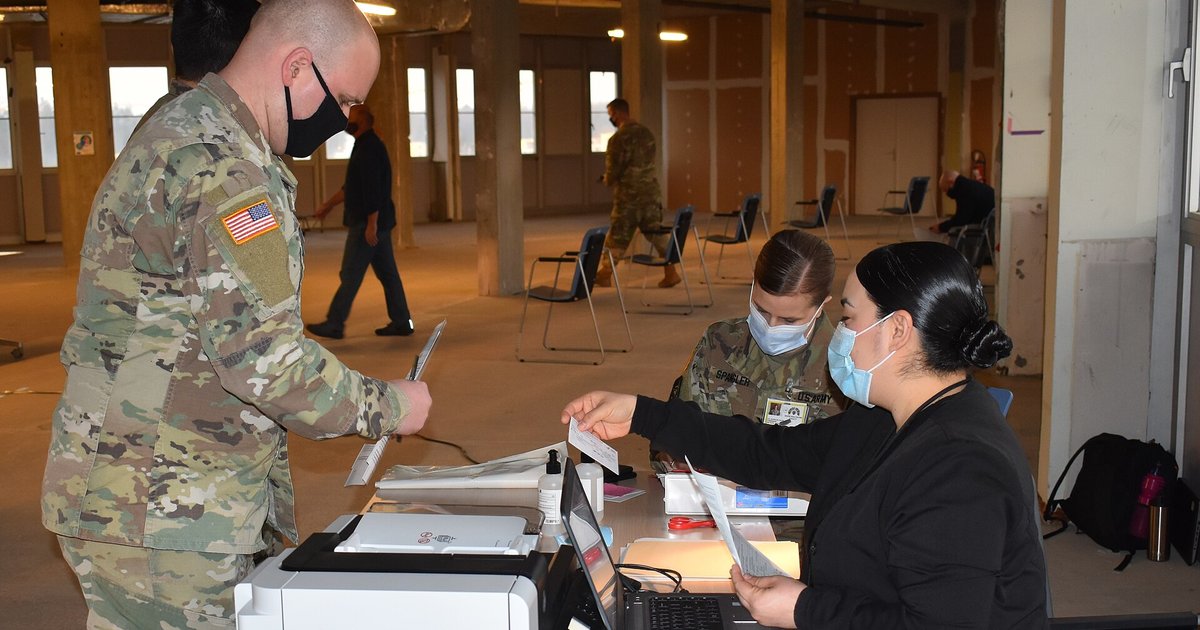
Most as-built documentation is written to satisfy a contract clause and read by nobody. A small amount of it, written differently, is what a technician opens at three in the morning.
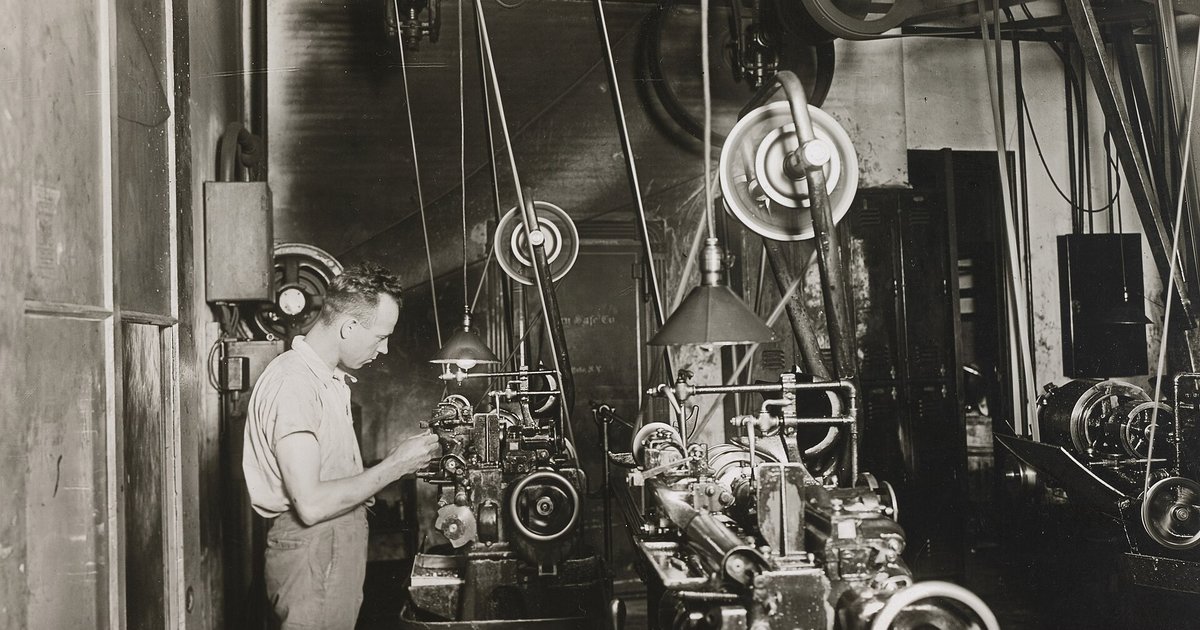
The mechanical parts of a capital purchase are covered by decades of contract practice. The software inside is usually covered by a licence nobody in the room has read.

A radio plan drawn on a floor plan assumes the floor plan is what the radio sees. It isn't. Racking, tanks, mesh decking and forklifts are the actual propagation environment.
A system that passed its acceptance test has been proved to work under the conditions someone wrote down. The first week is when it meets the conditions nobody wrote down.
Time-series data has an access pattern that ordinary databases handle badly and specialist ones handle well. The decision usually turns on tag count, query shape and who has to maintain it.
Everything that cannot be done on a running plant queues up for one window. The instrumentation and controls work in that queue fails for predictable reasons, most of them scheduling rather than technical.
M12 is not one thing. Coding, contact plating, mating cycles and whether the operator can feel the thread in the dark all decide whether the connector is a detail or the reason the line stopped.

Cable gets specified by conductor size and then installed in a drag chain, buried in a duct with a drive cable, or pulled round a corner tighter than its bend radius. Each of those has a number attached.
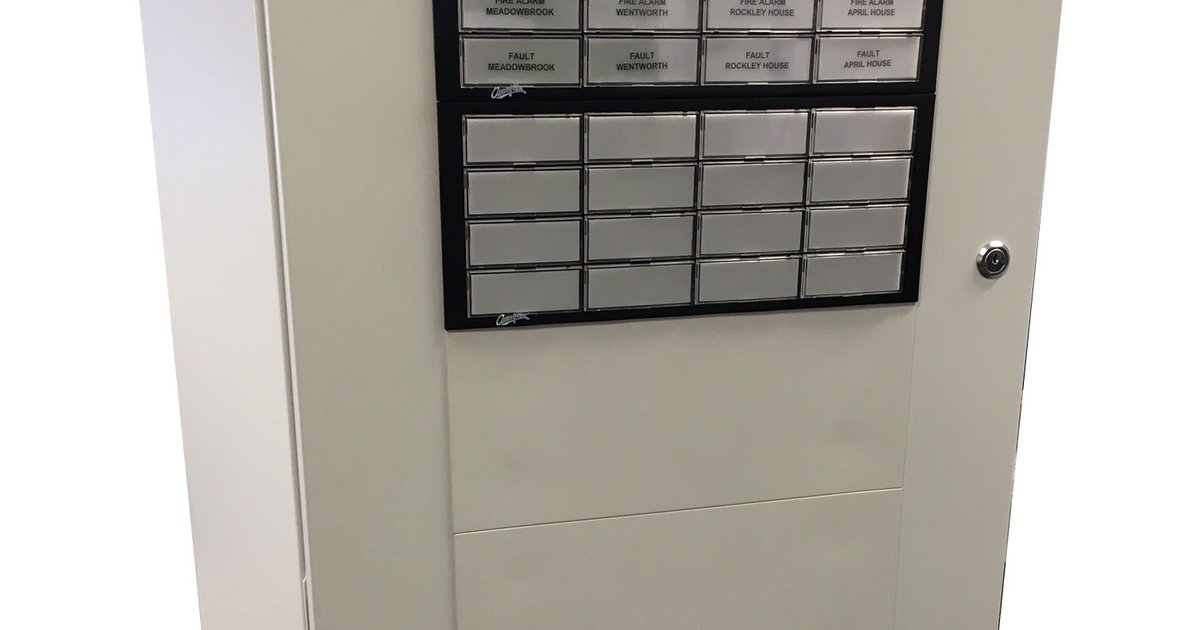
Most device logs are written for the developer who wrote the firmware and read by a technician standing in the rain. Here is what actually helps, and what to leave out.
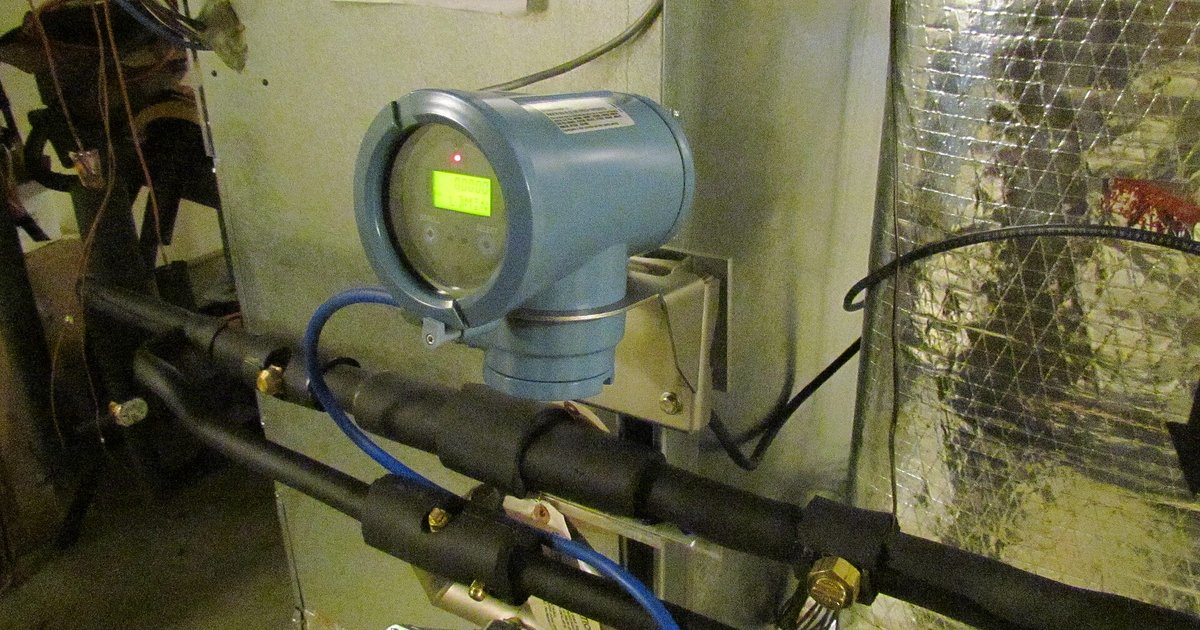
Measurement uncertainty is usually treated as a metrology footnote. Priced properly it is an economic quantity, and it decides how much instrument a given measurement deserves.
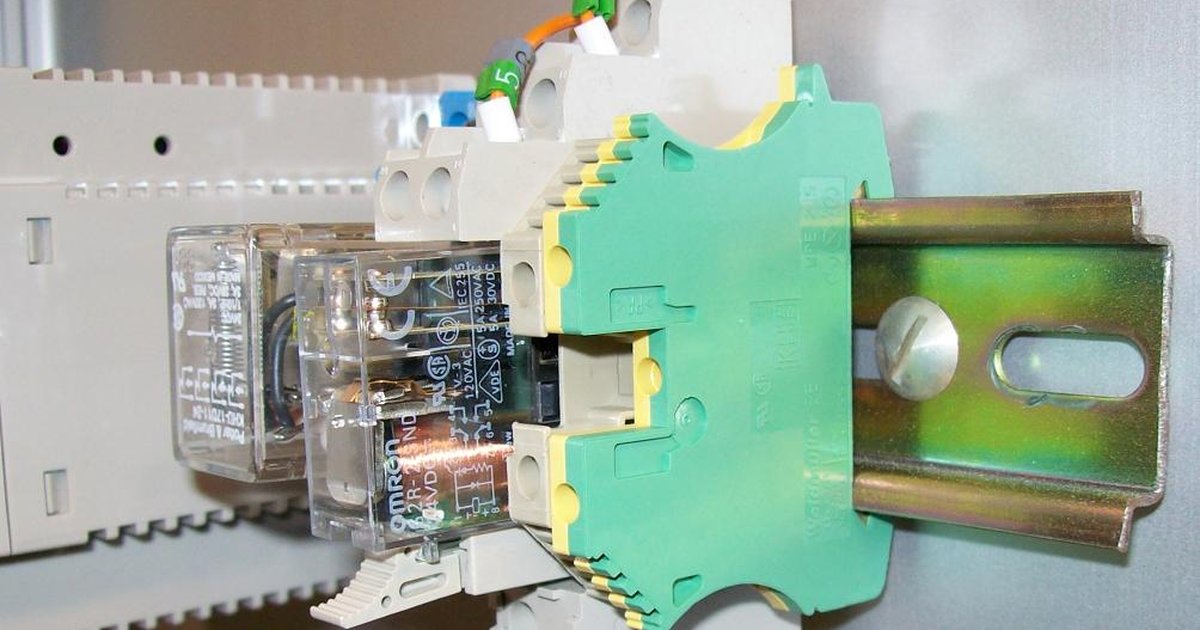
A serial gateway looks like a wire replacement and behaves like a protocol change. Timing, addressing and error handling all move, and each one has a way of biting late.
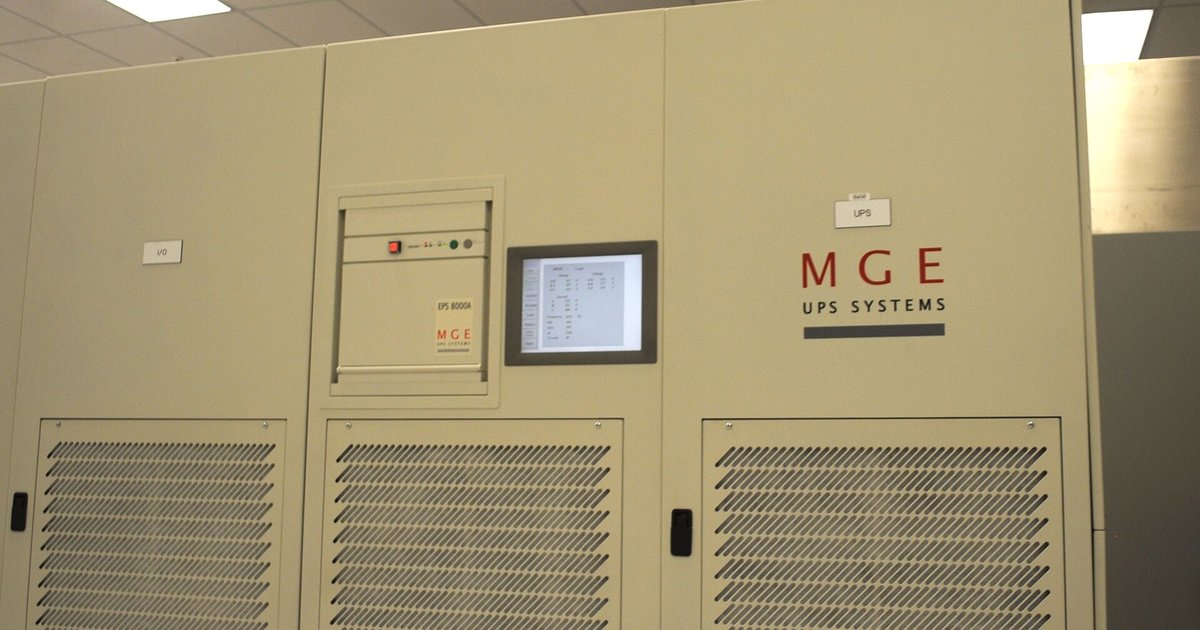
Most redundant systems have never failed over under the conditions that will occur. The common defects are shared dependencies, untested switchover and a standby that was silently dead.

Nearly every change order on an industrial installation traces back to something a two-hour site visit would have found. Here is the list that visit should cover.
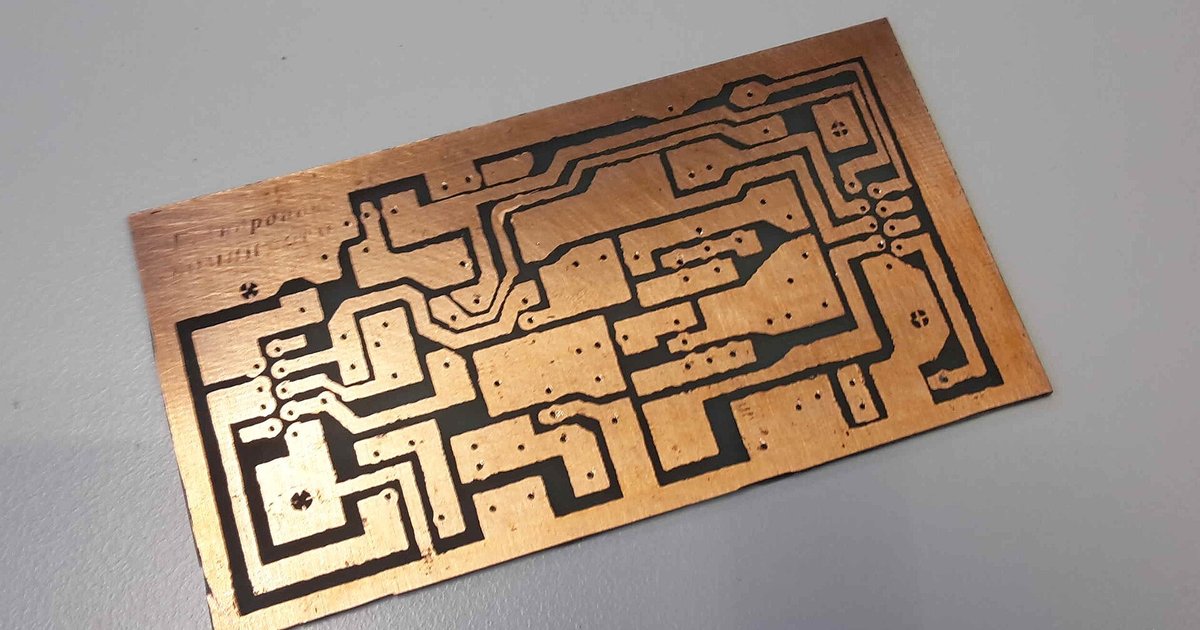
The decision is usually made on the wrong axis — cost to first version — when the axis that determines the outcome is who maintains it in year four.
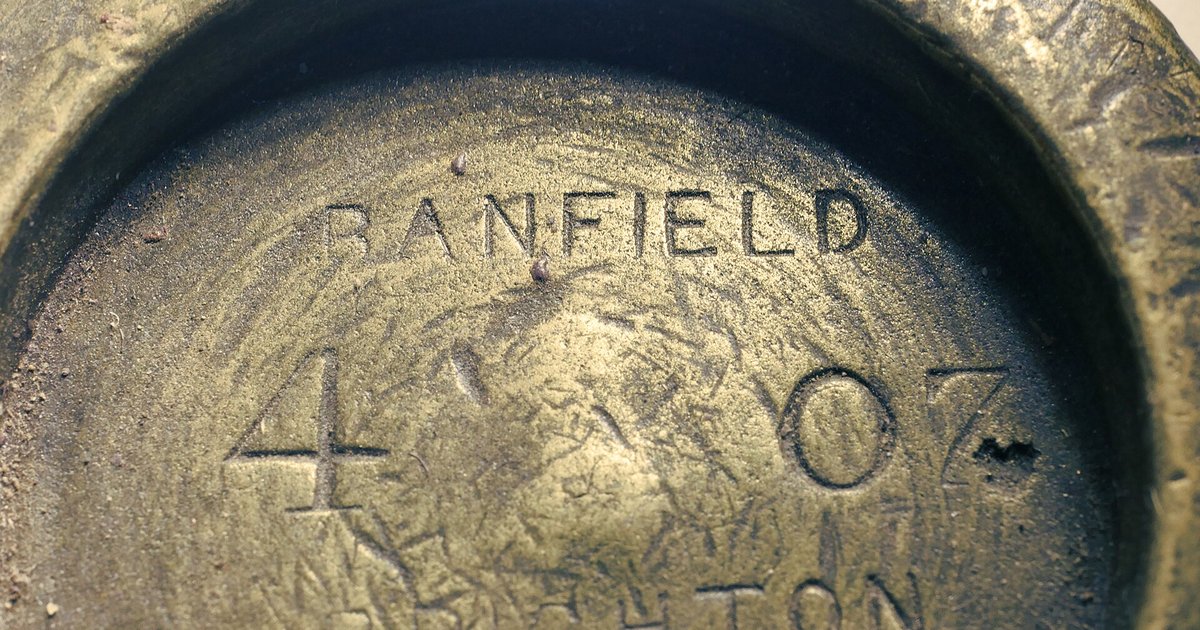
Annual calibration is a convention, not an answer. The interval should come from observed drift and from what a wrong reading costs — and most plants have the data to work it out.
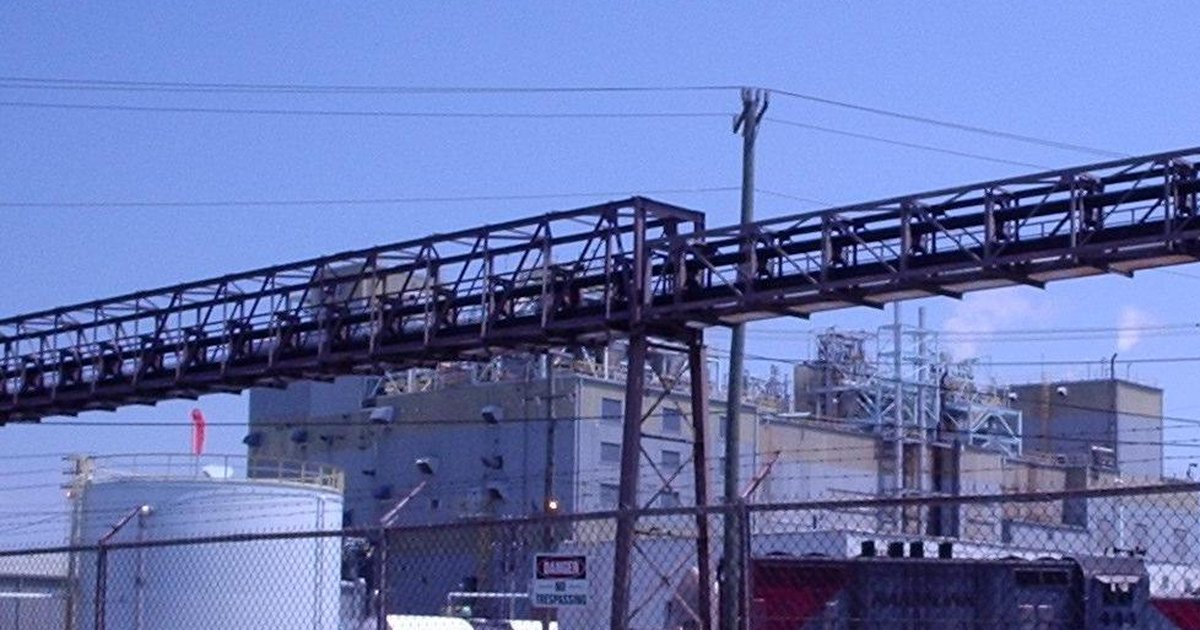
A system built for one plant contains assumptions nobody wrote down. The second plant finds every one of them, and it is cheaper to find them on purpose.
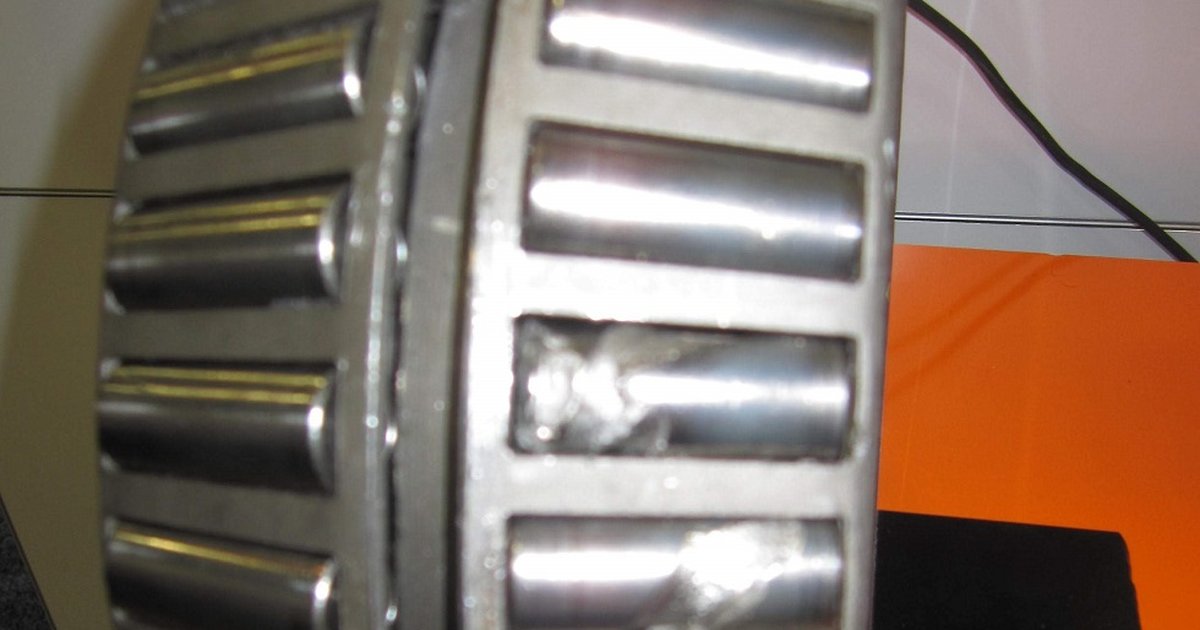
Vibration monitoring finds bearing faults, imbalance and misalignment well. It finds many other things badly. Knowing which is which decides whether the programme survives its first year.
A naming convention is not bureaucracy. It is the difference between a historian you can query and forty thousand points nobody can find, and it is nearly impossible to fix later.
IP ratings describe a laboratory test, not a plant. The real failure mechanisms are condensation, thermal cycling, chemical attack and vibration — and the rating tells you almost nothing about any of them.
The datasheet says ten years. The field says eighteen months. The gap is always in the same five places, and all of them are calculable before you build anything.
Every plant has a network drawing, and every plant that has actually measured its network has found the drawing incomplete. What discovery turns up, and how to survive the result.
The site volunteered, the integration was unbilled, the benefit was measured by its advocates, and nobody owned it afterwards. Six structural reasons, and the reframing that fixes them.
Consequence, likelihood and lead time — and it is lead time that inverts the intuitions built on price. Why a €50 sensor can outrank a €50,000 drive, and the three metrics that tell you if you got it right.
They are not competitors: a register protocol, an information model and a transport pattern. What each is genuinely good at, the two failure modes that recur, and why the choice is per link rather than per company.
The screen is drawn on a quiet afternoon and read during an upset. Why colour should be reserved for abnormal, why a bar beats a number, and the one test that tells you whether the design works.
A FAT moves risk before the machine moves. Most of them demonstrate the happy path instead — here is the list of failures to force, and why a test that passes everything first time tested nothing.
Protective earth and signal reference are different jobs sharing a word, and confusing them is where most noise starts. Where to bond a shield, why the frequency changes the answer, and what to measure first.
The arithmetic is trivial and the definitions are where it breaks: the denominator, the ideal cycle time, the stop threshold and where quality is counted. Four choices that move the number thirty points.
The pilot of ten was configured by hand by the people who built it. At a thousand, the manual steps stop being slow and start being the defect. Identity, claiming, verification and the paths nobody plans for.
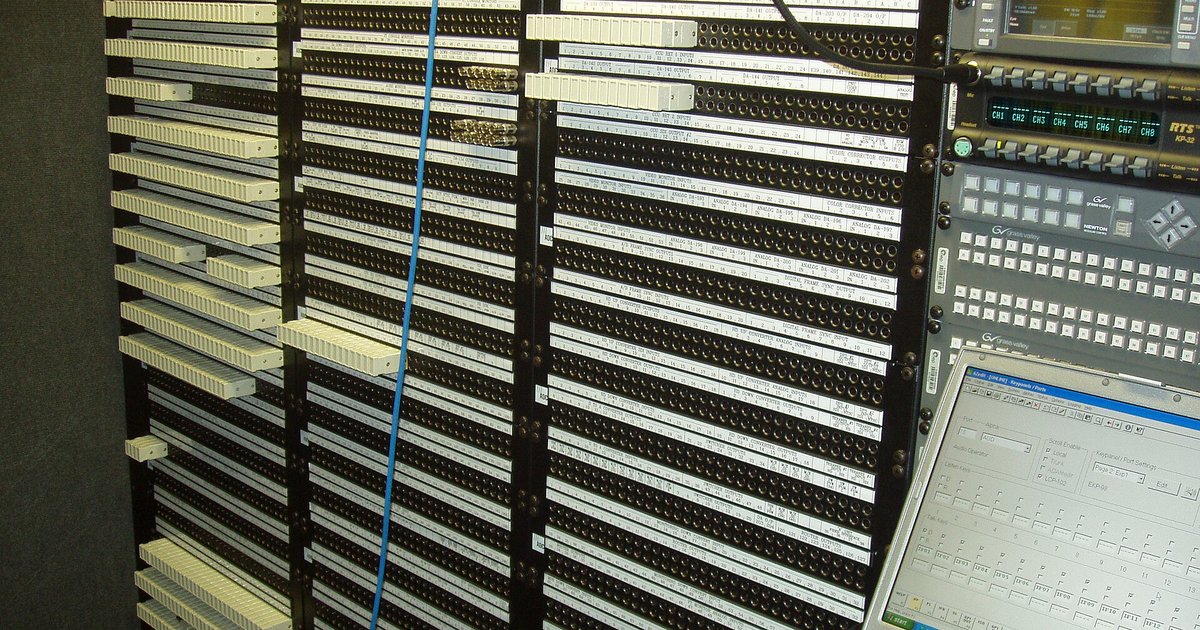
Segmentation is not a firewall purchase, it is a list of what talks to what. Why VLANs alone are not a boundary, how to write a conduit down, and the exception that quietly eats the design.
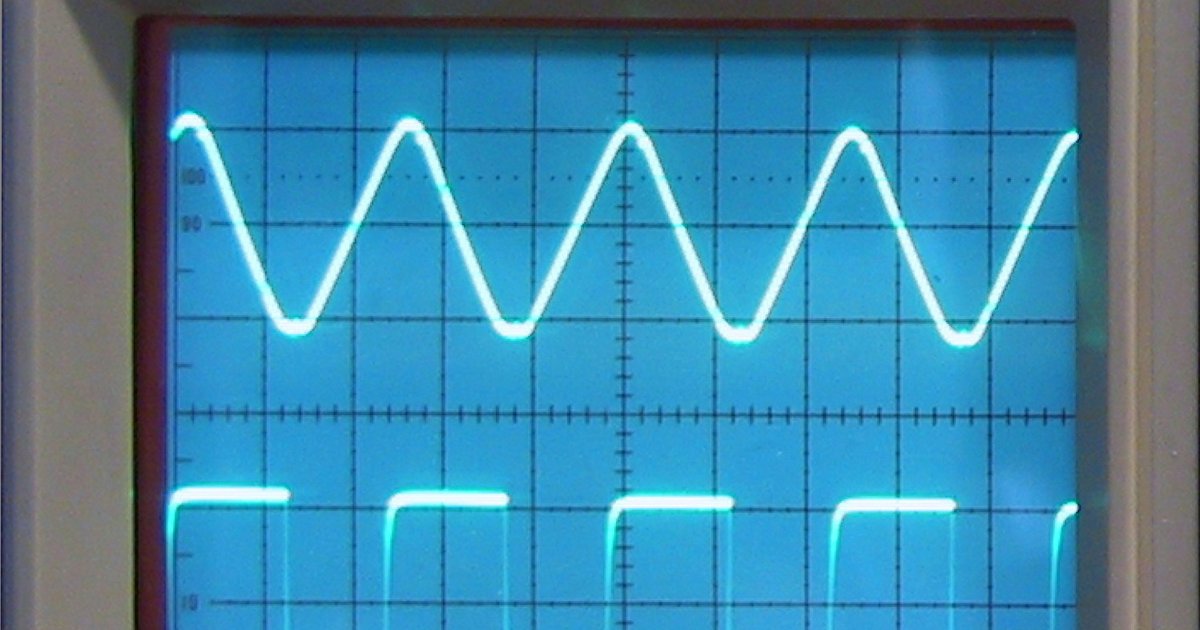
Nyquist is about the highest frequency present, not the highest one you care about — and everything above half your rate folds back in permanently. What rate each job actually needs, and the six things to write down.
Four clocks touch every reading and nobody decided which one counts. What that costs, how much accuracy each use actually needs, and the short list of decisions that fixes it for good.
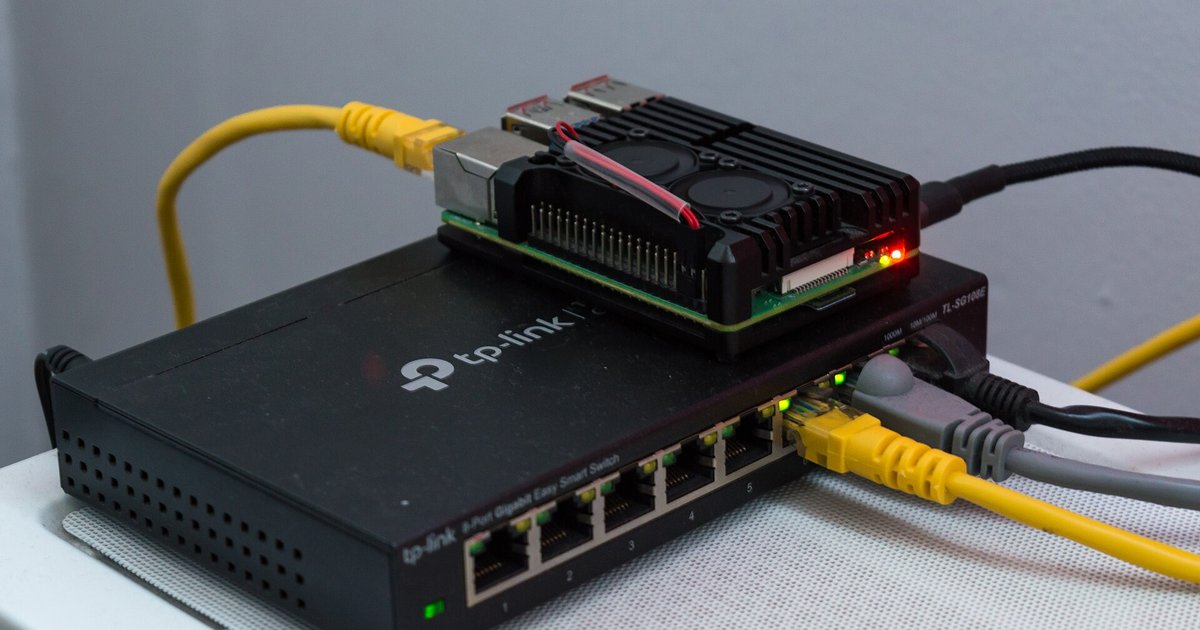
The link will fail. Whether that costs you an inconvenience or a hole in the record comes down to how the gateway buffers, what it drops first, and how politely it drains when the connection returns.
Retention is usually decided by whatever the historian defaulted to, which is the wrong way round. What the questions you will ask later actually require, and where downsampling destroys the answer.

An alarm system that produces more signals than a person can act on has not made the plant safer; it has trained the control room to stop reading. What goes wrong, and the specific fixes that reverse it.
The headline accuracy figure is the least informative number on the page. What the conditions clause is doing, why drift usually matters more than accuracy, and the specifications that are absent on purpose.
When a service call costs more than the device, every design decision changes. Power, communications, failure modes and diagnosis all get re-argued from the assumption that nobody is coming.

A temperature logger records data. A compliant cold chain produces evidence, which is a different and much harder thing. What the record has to survive, where designs usually fail an audit, and how to build one that does not.

Running containers on an industrial gateway solves real problems and creates a new class of them. What genuinely improves, what quietly becomes your responsibility, and the decisions worth making before the first deployment rather than after.
The regulation is often summarised as security requirements for connected devices, which is true and not actionable. What it actually obliges a manufacturer to build, to document, to report and to keep doing for years after the sale.
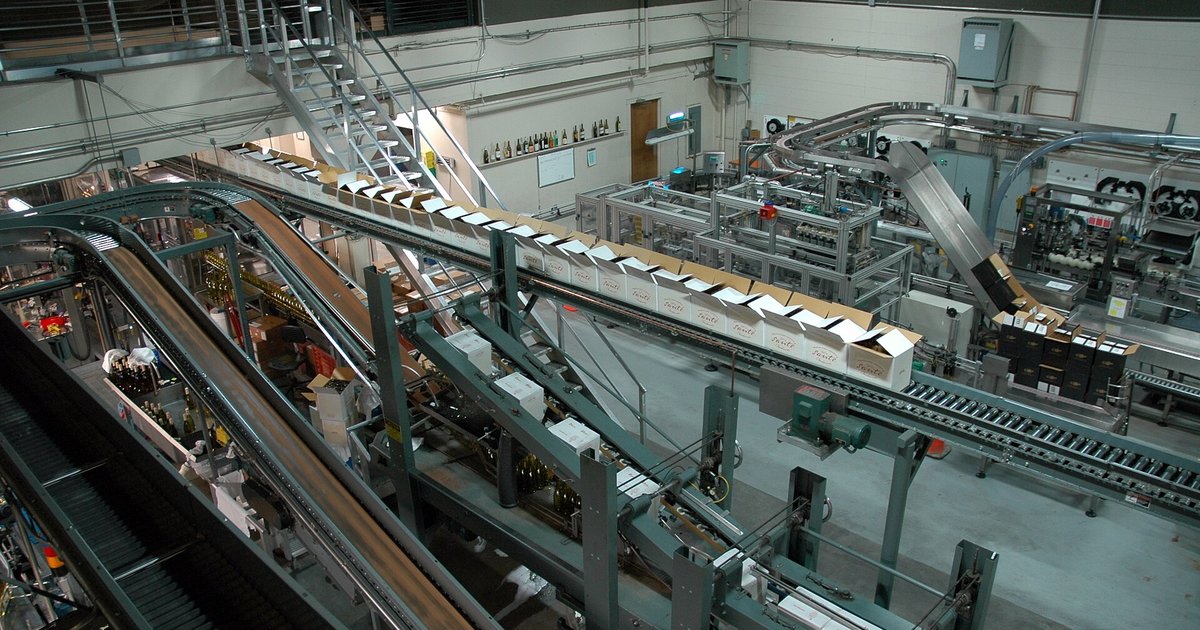
Almost every disappointing inspection deployment fails for the same handful of reasons, and none of them are the model. What changes between the demonstration and the running line, and how to design so that it does not matter.

The technology works in the demonstration and disappoints in the plant, and the reasons are consistent enough to plan around. What the pilot proved, what it did not, and the failure modes that only appear at fleet scale.

The comparison is usually argued on throughput, which is the one specification that rarely decides it. What separates the two in practice is who owns the spectrum, how the network behaves at the edge of coverage, and what happens when a device roams.
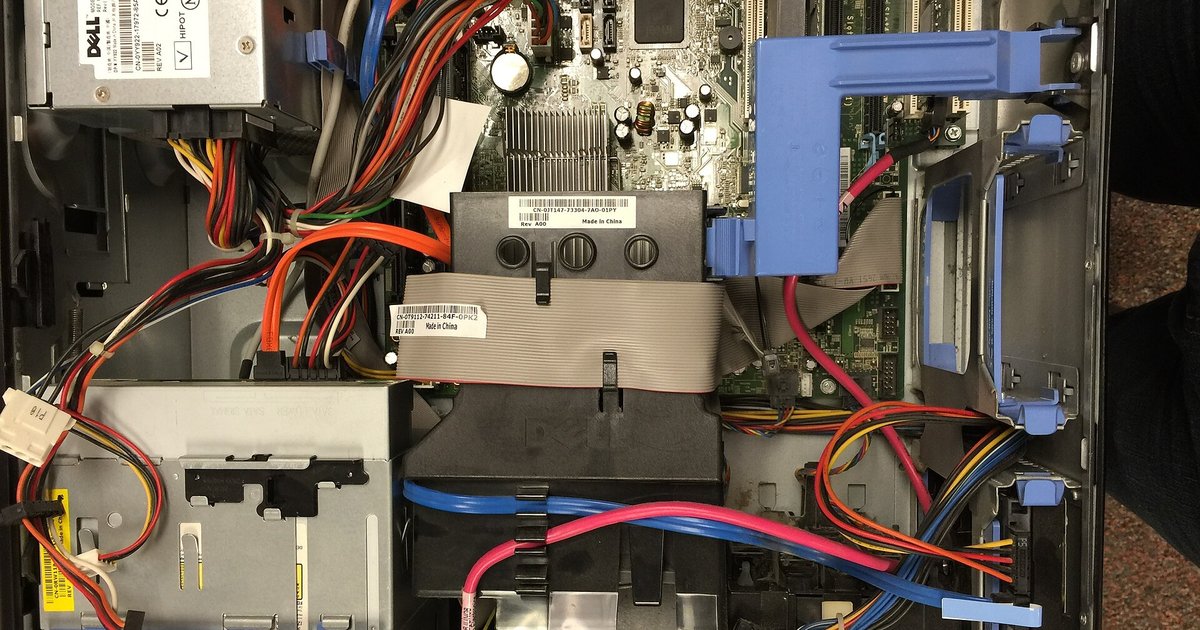
Edge or cloud is the wrong first question. A practical way to place a model, built around six constraints that decide the answer before any hardware is chosen, and the mistakes that come from optimising the wrong one.
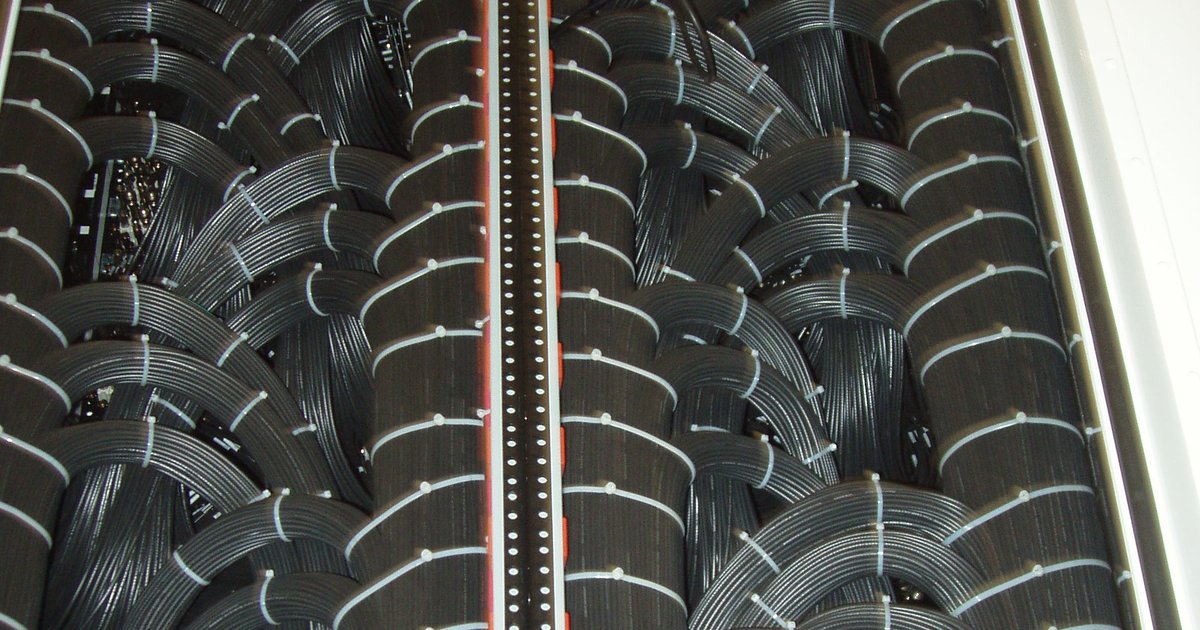
TSN is sold as deterministic Ethernet, but the guarantee is narrower and far more conditional than the phrase suggests. What the standards bound, what they leave alone, and what has to be true of your network before any of it holds.

Every occupancy technology fails in a characteristic way, and the failures are not random. How to combine sensors so the mistakes cancel instead of compounding.

The standard assigns different duties to asset owners, integrators and manufacturers. Which parts actually bind a product vendor, and what a Security Level claim commits you to.